

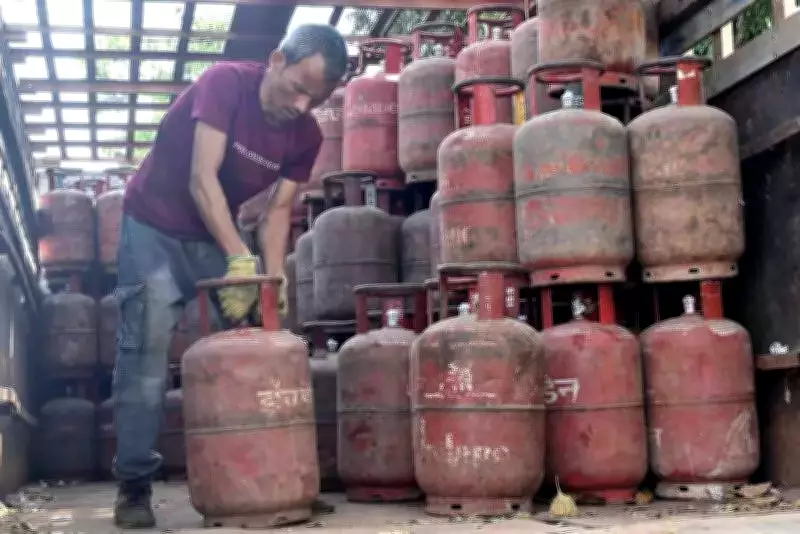
Prayagraj Hospitality Industry Forced to Adapt as LPG Shortage Intensifies
Hotels and restaurants across Prayagraj are experiencing significant operational challenges due to a severe shortage of commercial LPG cylinders, compelling many establishments to transition to induction cooking systems despite facing substantial hurdles including extended cooking times and the necessity for specialized utensils.
Global Conflict Triggers Domestic Energy Crisis
The commercial LPG shortage stems directly from global energy market disruptions caused by ongoing conflicts in West Asia, particularly involving Israel, Iran, and regional actors. Government authorities have responded by prioritizing domestic LPG supply for households, hospitals, and essential services, resulting in restricted distribution to commercial entities.
This strategic allocation has created a cascading effect on Prayagraj's hospitality sector, where businesses traditionally reliant on commercial cylinders now face unprecedented supply constraints.

Surge in Alternative Cooking Appliance Demand
Retailers throughout the city have documented a dramatic increase in sales of induction cooktops, electric cooking appliances, and compatible utensils over recent days. Shopkeepers report that what began as a gradual shift has accelerated into a buying frenzy as awareness of the LPG shortage spreads.
"We have completely sold out our induction stove inventory and placed urgent orders for restocking," explained Nitin Jaiswal, a shop owner in Katra. "Previously, electric cooktops were primarily purchased by hospitality businesses, but now we're seeing households panic-buying these appliances due to fears about LPG supply disruptions."
Industry Leaders Warn of Catastrophic Consequences
Harjinder Singh, president of the Prayagraj Hotel & Restaurant Welfare Association, emphasized the critical nature of the situation: "The restaurant industry is predominantly dependent on commercial LPG. Any sustained disruption will inevitably lead to catastrophic closures of restaurants across the city."
Currently, only three major restaurant or hotel establishments in Prayagraj possess fully operational commercial induction facilities. However, numerous others are rapidly implementing temporary induction solutions while awaiting resolution of the cylinder shortage crisis.
Operational Challenges and Menu Limitations
Even as restaurants transition to induction and electricity-based cooking methods, industry representatives acknowledge significant limitations. Not all traditional dishes can be effectively prepared using these alternative methods, forcing many establishments to curtail their menus substantially.
The shift requires not only new equipment but also staff retraining, as induction cooking demands different techniques and timing compared to conventional gas-based preparation methods.
Domestic LPG Users Face Parallel Difficulties
Meanwhile, domestic LPG consumers in Prayagraj are experiencing their own challenges, with complaints about cylinder availability escalating dramatically. Many users report difficulties with booking applications and extended waiting periods for cylinder deliveries.
District authorities have deployed special teams to investigate alleged black-marketing activities and verify stock records at LPG distribution centers. An anonymous distributor revealed: "We receive consignments from oil companies irregularly, typically every three to seven days, which severely disrupts our supply chain and causes booking backlogs."
Long-Term Implications for Hospitality Sector
The current crisis has exposed the vulnerability of Prayagraj's hospitality industry to global energy market fluctuations. While induction cooking offers a temporary solution, the higher electricity costs and equipment investments required may have lasting financial impacts on already-strained businesses.
Industry observers suggest this episode may accelerate permanent changes in how restaurants approach energy sourcing, potentially leading to more diversified cooking infrastructure in the future.






