

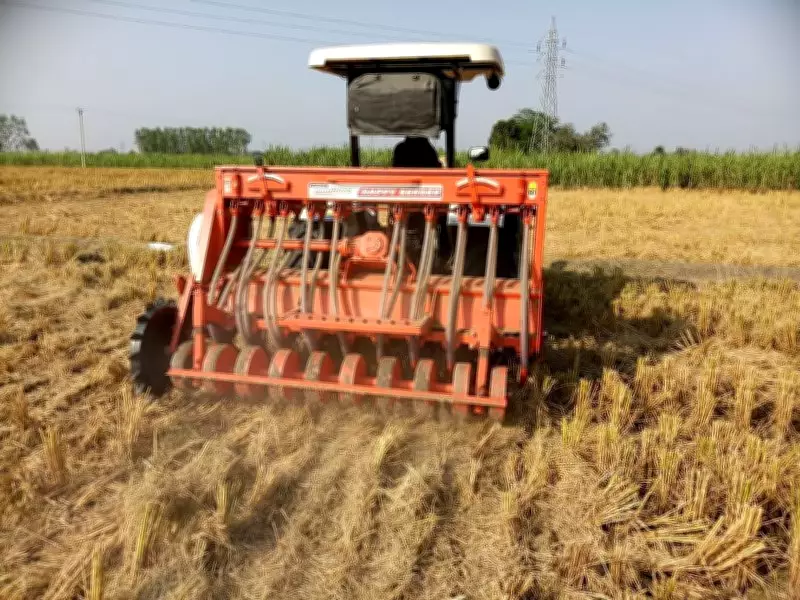
Punjab Expands Wheat Residue Use with New Machinery After Paddy Success
In a significant move to combat agricultural pollution and enhance sustainability, Punjab is now extending its crop residue management efforts from paddy to wheat. Following the successful implementation of machinery for paddy stubble, the state is deploying specialized equipment to handle wheat residue, aiming to reduce stubble burning and promote eco-friendly farming practices.
Building on Paddy Residue Management Success
The initiative builds on Punjab's earlier achievements in managing paddy crop residue, where machines like happy seeders and balers were introduced to curb stubble burning—a major contributor to air pollution in northern India. With wheat being another key crop in the state, generating substantial residue post-harvest, authorities are now focusing on similar solutions to address this seasonal challenge.
Deployment of Specialized Machinery
New machinery, including wheat straw choppers and mulchers, is being distributed to farmers across Punjab. These machines are designed to efficiently process wheat stubble, either by chopping it into fine pieces for soil enrichment or collecting it for alternative uses such as fodder, biofuel production, or industrial applications. This expansion is part of a broader strategy to make residue management a year-round practice, rather than limited to the paddy season.

- Reduce stubble burning incidents during the wheat harvest period.
- Promote the use of wheat residue for sustainable purposes like composting and energy generation.
- Support farmers with subsidies and training to adopt these machines effectively.
- Improve soil health by incorporating organic matter from chopped residue.
Environmental and Agricultural Benefits
By expanding residue management to wheat, Punjab aims to mitigate the environmental impact of farming, particularly in reducing air pollution that often peaks during harvest seasons. Additionally, this move is expected to boost soil fertility, as chopped wheat residue can act as a natural mulch, retaining moisture and adding nutrients. Farmers are also encouraged to explore economic opportunities by selling processed residue for bioenergy or animal feed, creating a circular economy model.
Challenges and Future ProspectsWhile the initiative shows promise, challenges such as high machinery costs and farmer awareness remain. However, with government support and growing environmental consciousness, Punjab is optimistic about scaling up wheat residue use. This expansion aligns with national efforts to promote sustainable agriculture and could serve as a model for other states grappling with similar residue management issues.






