In a significant shift for India's agricultural heartland, farmers in Punjab are successfully turning the humble ber, often called the 'poor man's fruit', into a commercially viable and profitable venture. This move marks a crucial step towards crop diversification away from the traditional, water-intensive wheat-paddy cycle.
From Wild Shrub to Commercial Orchards
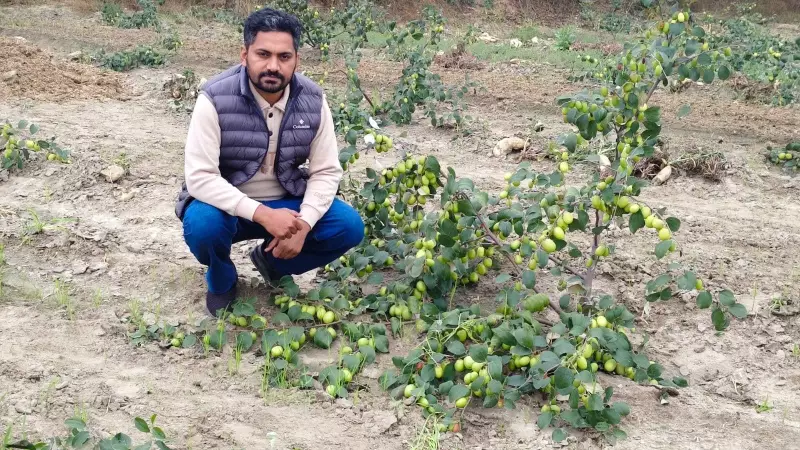
Traditionally found growing wild along field boundaries, the hardy ber (Indian jujube) is now being cultivated as a primary crop in districts like Bathinda, Malerkotla, Mansa, and Muktsar. Progressive farmers are leading this change, attracted by the fruit's climate resilience and significantly lower water requirements compared to staple cereals.
Popular varieties include Umran, a late-season type recommended by Punjab Agricultural University (PAU), and the market-favourite Apple Cross ber. Plantations are typically established in February-March or July-August. A key advantage is that ber plants start fruiting in their very first year, have a productive life exceeding a decade, and are harvested from December to April.

Success Stories: Higher Earnings with Lower Inputs
In Baluana village, Bathinda, graduate farmer Jagtar Singh exemplifies this shift. Having started with kinnow in 2002, he now grows ber on five acres. He highlights the crop's water efficiency, using drip irrigation from a dug well. His per-acre expenditure is around Rs 25,000, with government schemes providing Rs 20,000 per acre in assistance.
"Earnings of Rs 2 lakh per acre are easily possible—much higher than wheat and paddy combined, with far lower inputs," says Jagtar. Yields can reach nearly two quintals per plant as trees mature, with prices ranging from Rs 10 to Rs 25 per kg.
In Lehra Bega village, farmer Bhola Singh (58) converted 1.5 acres into a ber orchard. His 65 Umran trees yield nearly 150 quintals, earning him Rs 3-3.5 lakh annually—a sum equal to his earnings from 4.5 acres under wheat and paddy. Established trees require only three irrigations a year, and pruned branches sold as fuel wood cover his input costs.
Nurseries, Varieties, and Wider Benefits
The growing interest has spurred nursery businesses. In Malerkotla's Bhaini Kamboan village, Asif Ali (Raju) of Raju Nursery experiments with new varieties like Red Apple ber and Miss India. He earned over Rs 1 lakh from a roadside orchard of less than half an acre. He notes increased demand post-Covid due to ber's health benefits, as it is rich in Vitamins A and C and acts as an antioxidant.
The crop also generates rural employment. Award-winning farmer Jaswinder Singh from Mansa's Maujo Khurd village provides three to four months of work to five labourers annually from his 2.5-acre ber orchard. His efforts have won him PAU awards and a state honour.
Younger farmers are joining the trend. Jaswinder Singh (30) of Matti village, Mansa, planted apple ber last year and is set for his first harvest. Another, Jasbir Singh from Bhaidesha village, turned his uneven, poorly irrigated land profitable with ber after wheat and paddy failed.
Thriving in sandy, saline, and marginal soils, ber is proving to be an economically and environmentally sustainable crop, perfectly aligning with Punjab's urgent need for agricultural diversification and water conservation.