Punjab Potato Farmers Grapple with Severe Price Slump and Procurement Uncertainties
Potato cultivators across Punjab are facing a dual crisis as local market prices have plummeted dramatically while corporate buyers exhibit wavering commitment to their procurement schedules. The situation has created significant anxiety among the farming community, with many struggling to secure fair returns for their produce.
Market Prices Halved Amid Supply Glut
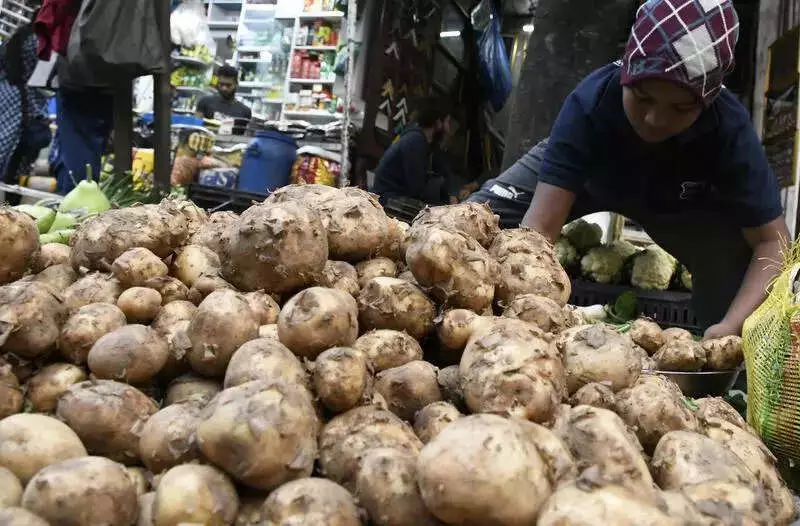
Farmers report receiving only Rs 6 per kilogram for their potatoes in local markets, a shocking 50% reduction from the expected Rs 12 per kg. This price collapse stems from multiple factors:
- Substantial leftover stocks from the previous season still occupying cold storage facilities
- Increased acreage dedicated to potato cultivation this year as many farmers switched from wheat
- Unusually weak seasonal demand that typically builds by December
Manjit Singh, a potato farmer from Ranewal village in Amloh, explained: "The main reason for the price crash is the increased acreage dedicated to the crop this year. Many growers switched from wheat to potatoes, creating a supply glut. Consequently, varieties like Lady Rosetta are fetching only Rs 6 per kg instead of the usual Rs 10."

Corporate Procurement Delays Compound Problems
While contract farming with major snack industry giants continues to provide a crucial safety net for many farmers, smaller corporate players are showing reluctance in making timely purchases. This hesitation appears driven by the negative sentiment and weak demand currently defining the sector.
Palwinder Singh, a potato grower from Fatehgarh Sahib, clarified: "While major snack corporations are expected to honour their agreements, smaller local players appear to be dithering on procurement. These firms, which typically start their buying cycle in early January, are yet to begin their seasonal purchases."
Major snack companies maintain their reliance on Punjab's farmers for process-grade potatoes, particularly the Lady Rosetta (LR) variety. These corporations typically:
- Provide farmers with high-quality seeds and technical guidance
- Specify particular varieties to be cultivated
- Secure first right to purchase the harvest at pre-fixed prices
Untimely Rains Wreak Havoc on Harvest
The arrival of winter's first major rain on Friday, with more forecasted for the coming week, has added another layer of difficulty for farmers. While the moisture benefits the wheat crop, it represents a curse for ripe potatoes ready for harvesting.
Manjit Singh described the situation: "Friday's heavy rains wreaked havoc on the fields. The downpour not only forced a suspension of harvesting but also left farmers struggling to drain standing water from their crops."
Gurtej Singh, who cultivates potatoes over 100 acres in Nabha, confirmed the damage: "Though pricing is not an issue as I tied up with a leading snacks company, the unexpected rains caused damage, coming just ahead of the scheduled harvesting."
Contract Farming Provides Limited Relief
Despite the market turmoil, contract farming continues to offer some protection. Gurtej Singh explained his arrangement: "We supply potatoes to a market leader in chips at Rs 12.80 per kg for 12 mm potatoes. However, in the local market, farmers are being forced to sell the LR variety at Rs 6 per kg."
Interestingly, while contract farming was less attractive in previous years when market prices were high, those with pre-fixed contracts may actually stand to gain this season given the current collapse in market rates.
Harvest Operations and Market Outlook
Although harvesting has already commenced in some areas, operations are expected to ramp up significantly once weather conditions improve, reaching peak activity in February. However, the expected seasonal demand surge has yet to materialize, creating unusual market conditions for this time of year.
The current surplus in cold storage continues to suppress prices, even as new arrivals typically reduce demand for previous season's stocks. This perfect storm of challenges has left Punjab's potato growers navigating one of their most difficult seasons in recent memory.