Rainfall Revives Hopes for Bumper Wheat Harvest in Punjab
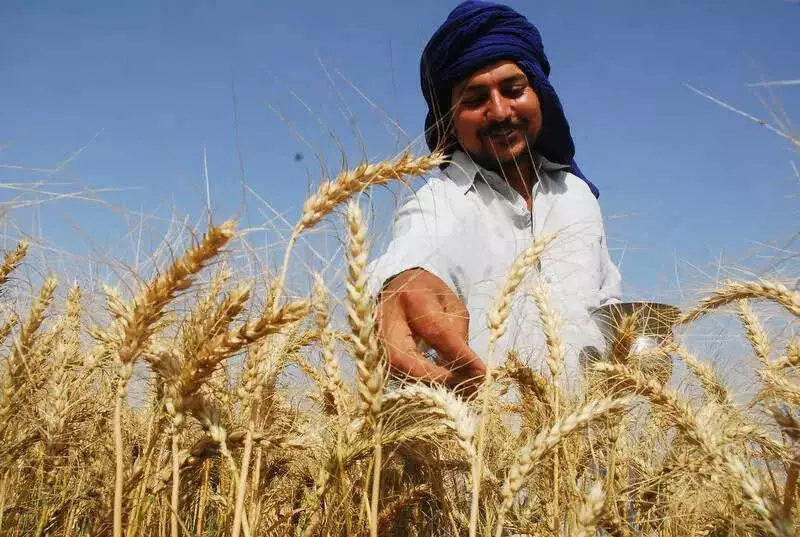
Light to moderate rainfall swept across most parts of Punjab on Friday, delivering a vital moisture boost to the rabi wheat crop. This timely precipitation has revived hopes for a bumper wheat harvest, offering a much-needed reprieve from a prolonged dry spell and rising temperatures that had threatened crop health.
Agricultural Experts Issue Crucial Advisory to Farmers
Agricultural experts are advising farmers to suspend irrigation and closely monitor their fields for potential pest outbreaks. The rainfall, triggered by a western disturbance, has effectively cooled the region and replenished soil moisture, optimizing conditions for the winter-sown season.
Pavneet Kaur Kingra, head of the agricultural meteorology department at Punjab Agricultural University in Ludhiana, emphasized the significance of these showers. "Coming as the first major showers in the rabi season, this rainfall is highly beneficial for farmers across the state. It provides the required moisture to both soil and crops," she explained.

Detailed Weather Forecast and Agricultural Implications
According to the Chandigarh centre of the India Meteorological Department, there will be no major change in minimum temperatures during the next 48 hours. However, a rise of 3-4°C is expected during the subsequent 24 hours, followed by a fall thereafter.
Kingra further elaborated on the weather outlook: "On Saturday and Sunday, there is no forecast for rain, but a yellow alert has been issued as most areas will be enveloped by thick fog. On Tuesday, we anticipate light to moderate rains accompanied by gusty winds."
Expert Recommendations for Farm Management
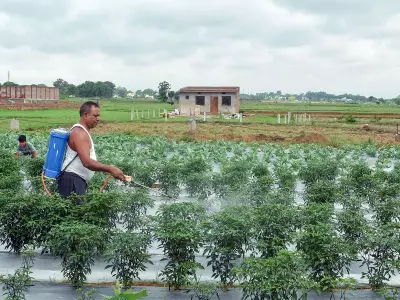
Jaswinder Singh Brar, former joint director of the state agriculture department, provided specific guidance for farmers. "Farmers who irrigated their fields in recent days should drain out the extra water immediately. They should also postpone spraying fertilizers until the skies clear completely," he advised.
Brar warned about potential agricultural challenges: "Premature fertilizer application can trigger unwanted vegetative growth in plants, potentially leading to lodging in the coming weeks. Farmers must remain vigilant about pest attacks, particularly mites, in the upcoming days, especially for mustard crops."
Mixed Impact on Different Crops
Palwinder Singh, a farmer from Fatehgarh Sahib, noted the differential impact across crops. While the precipitation serves as a timely boon for wheat, the potato crop—ready for harvest—could face significant damage if predicted showers intensify into heavy downpours with strong winds.
Nevertheless, Palwinder acknowledged the broader benefits: "This rainfall provides welcome respite, not only nourishing our fields but also effectively scrubbing the air of local pollutants."
Historical Context and Production Significance
In early January 2025, Punjab experienced an extreme dry spell. While the rest of the year eventually witnessed record-breaking monsoon floods, the winter season was characterized by a critical rainfall deficiency. The IMD Chandigarh centre noted that until a mid-month wet spell around January 11-13, Punjab faced a substantial 90% rainfall deficit.
During the 2024-25 rabi season, Punjab recorded total wheat production of approximately 17.9 million tonnes, contributing about 16% of India's total wheat output. This underscores the state's crucial role in national food security and the importance of favorable weather conditions for agricultural productivity.
The current rainfall event represents a significant meteorological intervention that could positively influence crop yields and farmer livelihoods across Punjab's agricultural landscape.