

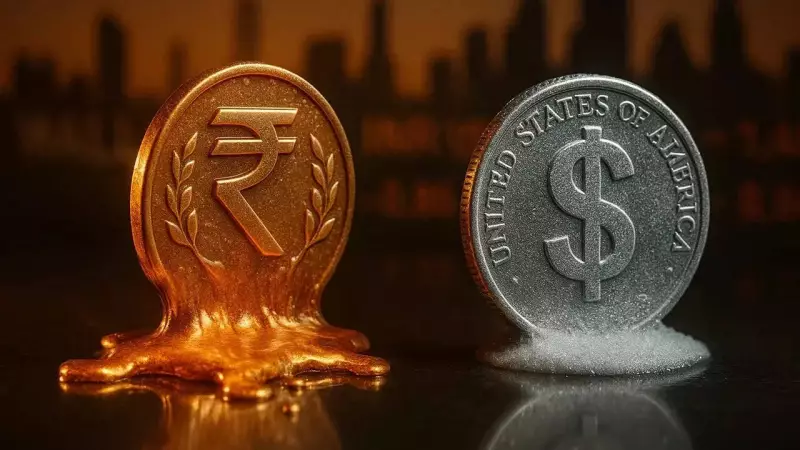
Indian consumers may need to prepare for higher prices on a range of goods, from smartphones to luxury cars, as the rupee's sharp depreciation against the US dollar threatens to wipe out the recent benefits from GST rate reductions. The currency's slide past the Rs 90 mark is compelling manufacturers across sectors to plan price increases starting December and January.
Electronics and Appliances to Get Costlier
Manufacturers of smartphones, laptops, televisions, and major home appliances have indicated plans to increase prices by approximately 3% to 7% beginning in December-January. This move aims to offset the rising costs of imported components like memory chips and copper, which have become more expensive due to the weaker rupee. Imported materials account for 30% to 70% of the manufacturing costs for these products.
Industry executives warn that the positive impact of the GST cuts, effective from September 22, will be completely nullified. "The advantages of reduced GST rates will be nullified by currency devaluation and increasing component costs," stated Avneet Singh Marwah, CEO of Super Plastronics, which manufactures Kodak, Thomson, and Blaupunkt TVs. He added that memory chip prices have surged more than sixfold in the past four months.

Companies had previously held off on price adjustments despite rising raw material costs, fearing government scrutiny over profiteering post-GST cuts. However, with the rupee plummeting to Rs 90 against the dollar—far beyond the expected range of 85-86—new calculations are forcing their hand.
Price Hike Plans Across Brands
Firms have begun informing retailers about imminent price revisions. Specific plans include:
- Havells: A 3% increase in LED TV prices.
- Super Plastronics: A planned hike of 7% to 10%.
- Godrej Appliances: Prices for air conditioners and refrigerators will rise by 5% to 7% from January.
Kamal Nandi, business head at Godrej Appliances, cited the dual pressure of stricter energy efficiency ratings from January and the falling rupee. "The GST reduction benefits will be completely negated, but we have no alternative," he said, noting that further depreciation could trigger additional hikes in the March quarter.
Beauty and Automobile Sectors Under Pressure
The burgeoning Indian beauty market, featuring international brands like Shiseido, MAC, Bobbi Brown, Clinique, and The Body Shop, is also vulnerable. With a significant share of products being imported and dollar-denominated, the rupee's weakness directly increases landed costs. Biju Kassim, CEO of Shoppers Stop Beauty, confirmed that sustained margin pressure might make "some price correction on high-end imported portfolios... unavoidable."
In the automobile sector, the recent sales boost following GST cuts on two-wheelers and compact cars—which led to price reductions of 8.5-9.9% and sales growth of 17-19% in October-November—is now at risk. Luxury carmaker Mercedes-Benz India is considering a price correction from January 26. "We estimate the positive effect of the price drop on demand for luxury vehicles to gradually wean away," said Managing Director Santosh Iyer, citing deteriorating forex movement.
Meanwhile, Audi India's head Balbir Singh Dhillon acknowledged the direct impact of rupee depreciation but stated the company has "not decided on the price increase or its quantum" yet.
Consumers to Bear the Brunt
The overarching message from industry is clear: companies can no longer absorb the escalating costs. They have privately communicated this to government officials. With the GST on cosmetics remaining at 18% and no mechanism to offset currency-linked cost increases, the burden is set to shift to the end consumer. The anticipated price hikes across these essential and discretionary categories threaten to dampen the festive and post-festive sales momentum, making household budgets stretch thinner in the new year.






