

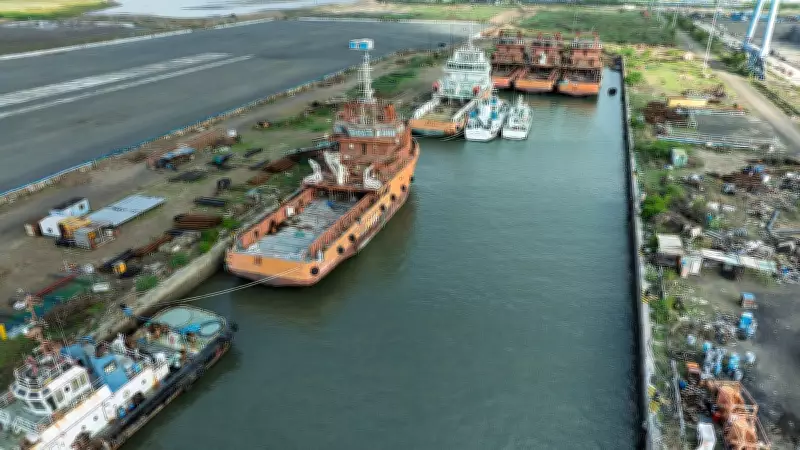
SDHI Secures India's First Order for an Ammonia Dual-Fuel Bulk Carrier
In a landmark achievement for the Indian maritime industry, Shipline Development Holdings India (SDHI) has secured the nation's first-ever order for an ammonia dual-fuel bulk carrier. This significant contract represents a pivotal step forward in the global push towards sustainable shipping and the reduction of carbon emissions in the maritime sector.
A Milestone in Green Shipping
The order underscores India's growing commitment to adopting cleaner fuel technologies in its shipping operations. Ammonia, as a marine fuel, is gaining prominence due to its potential to drastically cut greenhouse gas emissions compared to traditional fossil fuels like heavy fuel oil. This dual-fuel vessel is designed to operate on both ammonia and conventional fuels, offering flexibility and environmental benefits.
This development aligns with international efforts to decarbonize shipping, a sector responsible for a substantial portion of global emissions. By investing in such advanced vessels, India positions itself as a proactive player in the green shipping revolution, potentially setting a precedent for other maritime nations in the region.

Technical and Economic Implications
The ammonia dual-fuel bulk carrier is expected to feature state-of-the-art technology that ensures efficient and safe operation. Key aspects include:
- Enhanced Fuel Efficiency: The dual-fuel system allows for optimized fuel usage, reducing operational costs over time.
- Lower Emissions: Ammonia combustion produces zero carbon dioxide, significantly lowering the vessel's carbon footprint.
- Compliance with Regulations: This move helps meet stringent international environmental standards, such as those set by the International Maritime Organization (IMO).
Economically, this order could boost India's shipbuilding and maritime logistics sectors, creating jobs and fostering innovation in green technology. It also enhances the country's export capabilities by offering eco-friendly shipping solutions to global clients.
Future Prospects and Challenges
While this order is a breakthrough, challenges remain in scaling up ammonia-fueled shipping. These include:
- Infrastructure Development: Building the necessary infrastructure for ammonia production, storage, and bunkering at ports.
- Safety Concerns: Addressing the handling and safety protocols for ammonia, which is toxic and requires careful management.
- Cost Factors: Managing the higher initial costs associated with dual-fuel technology compared to conventional vessels.
Despite these hurdles, the SDHI order signals a strong market interest and governmental support for sustainable maritime practices. It is anticipated that more such orders will follow as the industry adapts to greener alternatives.
This achievement not only highlights SDHI's leadership in innovative shipbuilding but also reinforces India's strategic role in the global transition to a low-carbon economy. As the maritime world evolves, initiatives like this will be crucial in shaping a more sustainable future for international trade and transport.






