

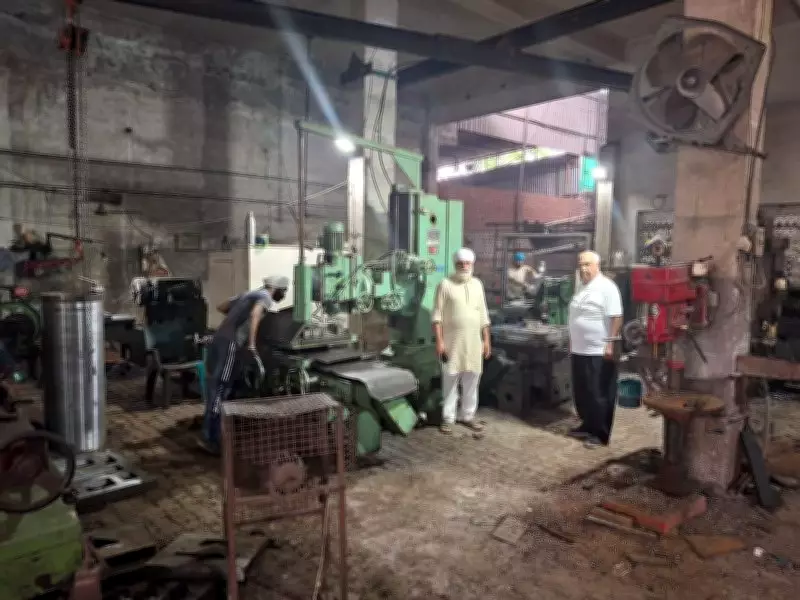
Sirsa's Hydraulic Machine Industry Expands Beyond Agricultural Roots
Sirsa, a district traditionally celebrated for its agricultural prowess in crops like wheat, rice, cotton, fruits, and vegetables, is now carving out a new identity as a burgeoning hub for hydraulic machine manufacturing. Over the decades, local residents have skillfully blended farming with small-scale industrial ventures, transforming these initiatives into significant industries that supply products across India and overseas.
From Small Workshops to Specialized Units
The transformation began with small workshops established by local entrepreneurs who identified practical gaps in machinery and manufacturing. Initially focusing on repairs and basic equipment such as water pumps and metal sheets, these workshops gradually evolved into specialized units. Today, they produce hydraulic machines used in a wide array of sectors, including agriculture, fabrication, truck repair, electric pole production, and body-making industries. The machines are designed to be compact, efficient, and cost-effective, enabling them to compete with larger, established models.
Pioneering Efforts and Growth
A key figure in this evolution is Hardev Singh Dhanjal, a pioneer who started by repairing pumps and small mechanical equipment in the 1980s. Observing inefficiencies in existing manufacturing processes, he developed smaller hydraulic machines that required less oil and manual effort while maintaining high performance. His son, Harjit Singh Dhanjal, who joined the business after completing engineering studies in 2008, has expanded production to include more than eight types of hydraulic machines. The adoption of digital tools and online payments has further streamlined operations and widened market reach.

Currently, production in Sirsa has grown to approximately 200–225 machines per year, reaching customers from Srinagar in the north to Kanyakumari in the south. Exports extend to countries such as Dubai, Qatar, Kenya, and Nepal, showcasing the industry's global footprint.
Challenges and Opportunities
Despite this impressive growth, the sector faces several significant challenges:
- Shortage of Skilled Labor: Many engineering graduates lack practical training, prompting local manufacturers to launch initiatives to train young workers in precision measurement and hands-on skills. However, progress remains gradual.
- Regulatory Hurdles: Delayed tax refunds and limited government support continue to constrain the industry's full potential.
- Infrastructure Limitations: Manufacturers often depend on external contractors for certain components due to space and equipment constraints.
Industry experts, including other local manufacturers like Puran Singh of Kuka Hydraulic Industry, emphasize that targeted policies could unlock substantial growth. Suggestions include:
- Creating industrial clusters to foster collaboration.
- Providing common facility centers to reduce costs.
- Offering support for small manufacturers to enhance efficiency.
With such measures, production could more than triple, generating hundreds of jobs in Sirsa and consolidating complete manufacturing processes within the district.
Future Prospects
As the industry continues to expand, local manufacturers remain optimistic. Improved policies, practical training programs, and ongoing innovation are seen as key drivers that could position Sirsa as a major center for hydraulic machinery in India. This growth not only promises to sustain employment but also support broader economic development in the region, balancing its agricultural heritage with industrial advancement.






