

Kerala Man's Decade-Long Protest for Land Justice Amid Election Frenzy
As Kerala prepares to vote on April 9, the state is abuzz with the familiar sights and sounds of democracy: campaign rallies, political promises, and the hopeful anticipation of change. Yet, in Kalpetta, outside the Wayanad district collectorate, a quiet but persistent story of endurance unfolds, starkly contrasting the transient nature of electoral politics.
A Pavement Home Through Eight Elections
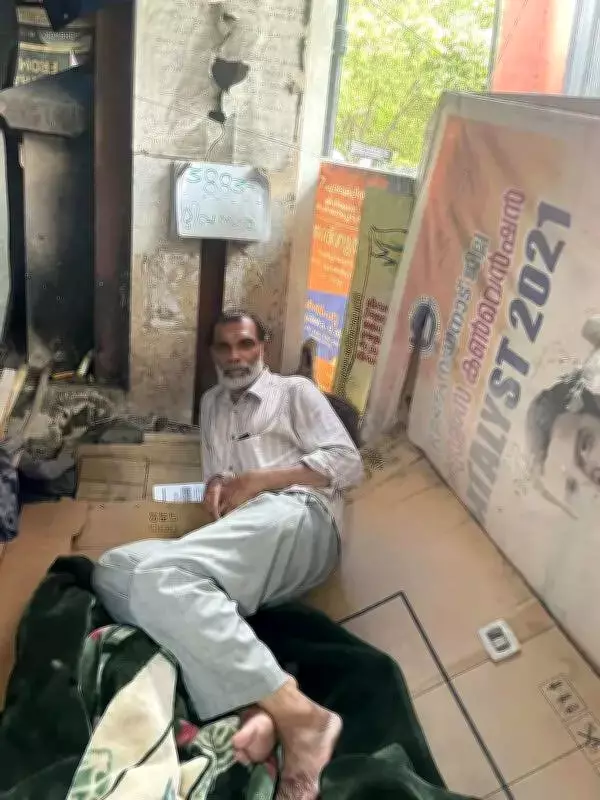
For 3,885 days—spanning two assembly polls, three Lok Sabha contests, and three local body elections—James K K has made a patch of pavement his home. Sheltered under a fraying tarpaulin sheet, with cardboard as his bed, he lives surrounded by discarded political flex boards. These once vibrant symbols of electoral promise now serve as makeshift barriers against stray dogs and snakes, a poignant reminder of unfulfilled commitments.
James has braved the harsh elements of the Wayanad hills: scorching summers, relentless monsoon rains, and biting winter nights. His protest is a fight for justice, demanding the restoration of his family's farmland, which was allegedly taken over illegally by the forest department four decades ago.

Roots of the Land Dispute
The conflict traces back to 1967 when James's father-in-law, the late Kanjirathinal George, purchased 12 acres of janmam patta land in Kanjiramkadu village from the Kuttanadan Cardamom Company. He cultivated coffee, coconut, and spices, regularly paying land tax. However, in 1977, the forest department claimed the land under the Kerala Private Forest Vesting and Assignment Act and seized it, after which the revenue department stopped collecting taxes.
In April 2007, following a family petition, the state government directed the district collector to assign six acres to George and his brother. A letter from the revenue principal secretary in November 2007 instructed the collection of property tax. Yet, a 2016 High Court order overturned the government directive. James alleges that authorities fabricated evidence to deny him justice, despite multiple inquiry reports, including a 2016 report by the Mananthavady sub-collector, noting a lack of evidence to classify the land as private forest.
Systemic Apathy and Political Promises
"I have seen governments change, representatives come and go," says James from under his tarpaulin shelter. "But nothing has changed for me." Every morning, he updates a handwritten count of his protest days, with the latest number at 3,885. A voter from the Nadapuram constituency, he has abstained from casting his ballot since his protest began, with his family living in a rented house while he remains at the collectorate.
James has met leaders across party lines, including V S Achuthanandan, Oommen Chandy, and Wayanad MP Priyanka Gandhi, all of whom promised to address his case. "It is not just delay, it is insensitivity," he laments, highlighting the gap between political assurances and tangible action.
Flickers of Hope and Ongoing Wait
Despite the hardship, James stays informed through newspapers, sometimes skipping tea or breakfast to afford them. There have been moments of hope, such as when District Collector M R Meghasree visited the disputed land in May last year and recommended forming a judicial committee. However, the proposal has stalled, leaving James to continue his vigil even during this election season.
His silent protest stands as a quiet indictment of a system he believes has failed him, underscoring deeper issues of land rights and bureaucratic inertia in Kerala. As voters head to the polls, James's story serves as a powerful reminder of the enduring struggles that persist beyond the ballot box.






