

West Bengal Assembly Elections 2026: Culinary Concerns Take Center Stage
As the West Bengal Assembly Elections 2026 approach, a new political controversy has emerged, focusing on the culinary habits of Bengalis. Trinamool Congress (TMC) chief Mamata Banerjee has issued a stark warning, suggesting that the staple foods of the region—fish, mutton, and eggs—could be at risk if the Bharatiya Janata Party (BJP) comes to power. This statement has ignited a heated debate, with implications for voter sentiment and campaign strategies in the upcoming polls.
Mamata Banerjee's Warning on Food Security
In a recent address, Mamata Banerjee highlighted concerns over food security, specifically targeting the BJP's potential policies. She emphasized that Bengalis' traditional diet, which heavily relies on fish, mutton, and eggs, might face threats under BJP governance. This warning comes amid ongoing political tensions in West Bengal, where food and culture are deeply intertwined with identity and daily life.
The timing of this statement is crucial, as it aims to resonate with voters ahead of the 2026 elections. Banerjee's remarks have been framed as a defense of regional traditions and economic stability for local producers, such as fishermen and farmers. By linking political power to culinary access, she seeks to mobilize support by appealing to cultural and economic anxieties.

Political Reactions and Broader Implications
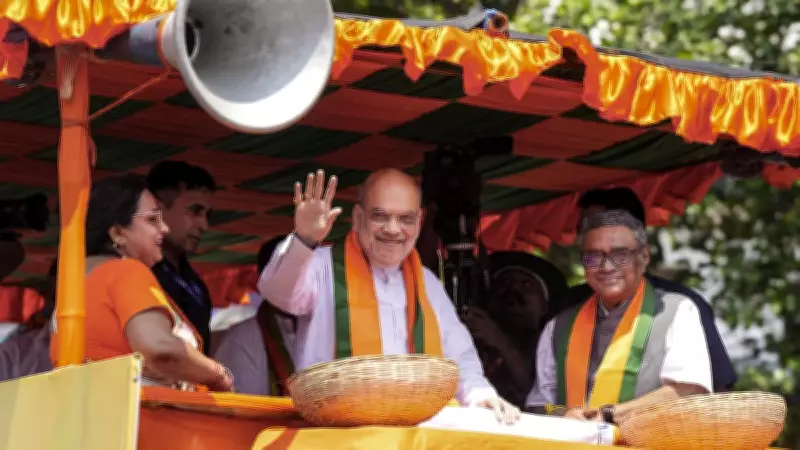
The BJP has responded swiftly to Banerjee's claims, dismissing them as fear-mongering and politically motivated. Party leaders, including Amit Shah, have accused the TMC of diverting attention from governance issues and failing to address real concerns like development and law and order. This exchange underscores the intense rivalry between the two parties, with food becoming a symbolic battleground in the electoral contest.
Analysts note that such culinary crackdowns are not new in Indian politics, but they gain traction in regions like West Bengal, where food is a core part of social and cultural fabric. The debate raises questions about:
- How political parties use food security as a campaign tool.
- The impact on voter perceptions and election outcomes.
- Potential policy shifts regarding agriculture and food distribution.
As the election season heats up, this issue is likely to remain a focal point, influencing discussions on governance, identity, and regional autonomy. Voters will be watching closely to see how both parties address these concerns in their manifestos and public statements.






