

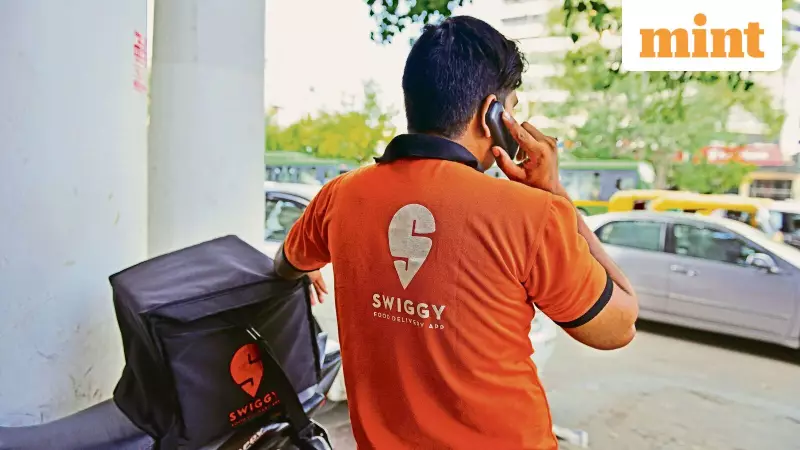
In a significant move that blends the digital with the physical, Swiggy Instamart has launched its first-ever branded retail store in Gurugram. This pilot initiative, which opened in late December 2025, marks a bold experiment for the online-first quick commerce platform as it navigates a fiercely competitive market.
Inside Swiggy Instamart's Gurugram Store
The new store is situated in the upscale M3M 65th Avenue area of Gurugram, surrounded by residential and commercial complexes. Operated by PYD Retail Pvt Ltd, a seller on Swiggy Instamart's app, the outlet is stocked with a wide array of products mirroring its digital catalogue. Shoppers can find everything from daily essentials like pulses, grains, and fresh produce to baby care items, skincare, and even nicotine products. The store also features shelves dedicated to Noice, Swiggy's private label for foods like bread, paneer, and snacks.
Designed as an experiential format, customers can walk in, browse aisles, and shop at their own pace, much like in a traditional supermarket. Products are sold at Maximum Retail Price (MRP) with no delivery or handling fees. Interestingly, the store maintains a link to download the Swiggy app, indicating a clear intent to bridge online and offline customer journeys.

Strategic Benefits and Revenue Potential
Analysts see this move as a potential game-changer for Swiggy Instamart's revenue model. Satish Meena, an analyst at Datum Intelligence, suggests that as quick commerce platforms mature, branding could become a key revenue lever. A physical store allows Instamart to monetize brand partnerships more directly through in-store advertising, preferred product placement, and exclusive launches.
This branding-led revenue is crucial for an industry known for thin margins and high cash burn. It offers a path to offset heavy logistics costs without solely depending on increased delivery fees or deep discounts. Furthermore, the store serves as a live lab for sellers to analyze category performance, improve demand forecasting, and manage inventory better, especially for perishables like fruits and vegetables that customers prefer to inspect before buying.
Challenges and Industry Implications
However, the foray into physical retail raises fundamental questions about the quick commerce model. Analysts point out that offline stores come with higher fixed costs, operational complexity, and slower scalability—challenges that digital models were built to avoid. Sandeep Abhange, a research analyst at LKP Securities, notes that moving into physical retail reverses the internet-first, low-capex logic that investors initially backed.
There is also a risk of diluting the core proposition of speed and convenience that defines quick commerce. Despite these concerns, a company source clarified that this is currently a focused experiment for a single seller and does not signal a large-scale shift into omnichannel retail for Instamart.
The launch comes at a time of intense competition, with Blinkit commanding over 50% market share, followed by players like Zepto, Instamart, BigBasket, Flipkart Minutes, and Amazon Now. Most major quick commerce players, including Blinkit, Zepto, and Instamart, are reportedly loss-making. This pilot in Gurugram could be a strategic test to find new, sustainable growth avenues beyond pure delivery economics.






