The corporate events landscape is undergoing a significant transformation, driven by advancements in technology. From 4K visuals to hybrid formats and immersive stage designs, these innovations are reshaping how companies connect with their audiences.
The Rise of 4K Visuals
High-definition visuals have become a cornerstone of modern corporate events. 4K resolution offers unparalleled clarity, making presentations, product launches, and keynote speeches more engaging. This technology ensures that every detail is crisp, whether displayed on large screens or shared via live streams. As a result, attendees experience a more immersive and professional atmosphere.
Hybrid Formats: Bridging Physical and Virtual
The pandemic accelerated the adoption of hybrid events, which combine in-person and virtual participation. This format has proven to be a lasting trend, offering flexibility and broader reach. Companies now leverage advanced streaming platforms, interactive tools, and real-time engagement features to create seamless experiences for remote attendees. Hybrid events also provide valuable data analytics, helping organizers measure participation and feedback.

Immersive Stage Design
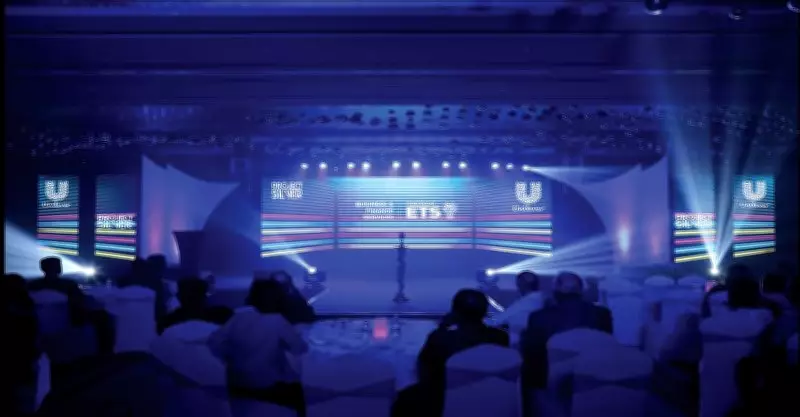
Stage design has evolved beyond traditional setups. Today, immersive designs incorporate LED walls, projection mapping, and dynamic lighting to create captivating environments. These elements transform stages into storytelling platforms, enhancing the emotional impact of presentations. For instance, 3D mapping can simulate realistic backdrops, while synchronized lighting effects amplify key moments.
Technologies Driving Change
Several technologies are at the forefront of this revolution:
- Augmented Reality (AR): Overlaying digital content onto the physical world, AR enables interactive product demonstrations and virtual tours.
- Virtual Reality (VR): VR headsets immerse users in fully digital environments, ideal for training sessions or brand experiences.
- Artificial Intelligence (AI): AI-powered tools personalize content, automate tasks, and analyze audience sentiment in real time.
- 5G Connectivity: High-speed networks ensure smooth streaming and low latency, crucial for hybrid events.
Benefits for Businesses
Adopting these technologies offers numerous advantages. Enhanced engagement leads to higher retention of information, while hybrid formats expand audience reach. Immersive designs create memorable experiences that strengthen brand loyalty. Moreover, data collected from digital interactions provides insights for future strategies.
Challenges and Considerations
Despite the benefits, implementing advanced technology requires careful planning. Costs can be significant, especially for small businesses. Technical issues, such as connectivity problems or equipment failures, pose risks. Organizers must also ensure that virtual attendees feel equally valued, avoiding a disjointed experience.
Future Trends
The evolution of corporate events is far from over. Emerging trends include the use of holograms for remote speakers, blockchain for secure ticketing, and sustainability-focused designs. As technology continues to advance, events will become even more interactive and personalized, blurring the lines between physical and digital realms.
In conclusion, the technology revolution in corporate events is here to stay. By embracing 4K visuals, hybrid formats, and immersive stage designs, companies can create impactful experiences that resonate with diverse audiences. The key lies in balancing innovation with practicality, ensuring that every event delivers value and engagement.