

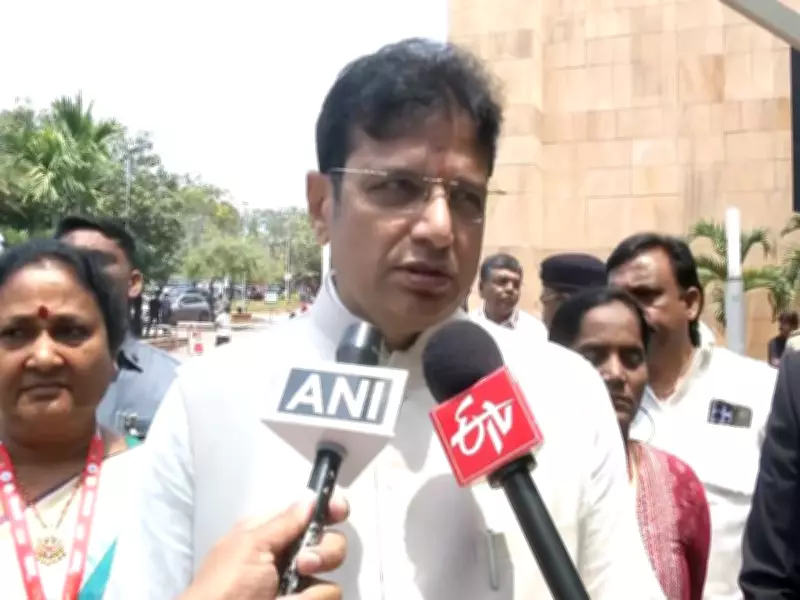
Telangana Minister Calls for Textile Sector to Leverage Domestic Market Amid Global Challenges
In a significant address, Telangana's Industries Minister, K.T. Rama Rao, has emphasized the urgent need for India's textile industry to pivot towards the vast domestic market. This call comes as the sector faces mounting pressures from international tariffs and the ongoing conflict in West Asia, which are severely impacting export performance.
Global Headwinds Disrupting Textile Exports
The minister pointed out that the textile sector, a cornerstone of India's economy, is currently grappling with dual challenges. Rising tariffs in key export markets have made Indian goods less competitive, squeezing profit margins for manufacturers. Simultaneously, the conflict in West Asia has disrupted trade routes and heightened geopolitical uncertainties, leading to volatile demand and supply chain bottlenecks. These factors combined have resulted in a noticeable decline in textile exports, threatening jobs and economic growth in regions dependent on this industry.
Unlocking Domestic Market Potential
To counter these external shocks, Minister Rao advocated for a strategic shift. He highlighted that India's domestic market, with its burgeoning middle class and increasing disposable incomes, presents a massive opportunity for the textile sector. By focusing on homegrown demand, companies can reduce reliance on volatile international markets and build more resilient business models. The minister suggested that this approach could involve enhancing product quality, diversifying offerings, and leveraging digital platforms to reach consumers across the country.

Government Support and Policy Initiatives
In his remarks, Rao also outlined potential government measures to facilitate this transition. These include:
- Implementing policies to boost domestic manufacturing and reduce import dependency.
- Providing incentives for innovation and sustainability in textile production.
- Strengthening infrastructure, such as logistics and warehousing, to support local supply chains.
- Promoting 'Made in India' campaigns to increase consumer awareness and preference for domestic products.
He stressed that such initiatives could help the textile sector not only survive current challenges but also thrive in the long term, contributing to India's economic self-reliance.
Broader Implications for the Economy
The minister's comments underscore a critical moment for India's textile industry, which employs millions and is a significant export earner. By tapping into domestic market potential, the sector can mitigate risks from global uncertainties and drive inclusive growth. This strategy aligns with broader national goals of boosting domestic consumption and reducing trade deficits, positioning India for a more stable economic future amidst ongoing international turmoil.






