Tesla Reports Mixed January Sales Results in China
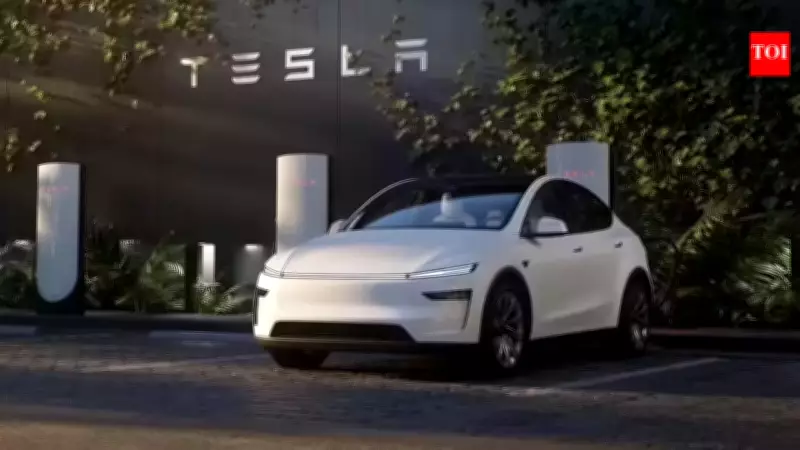
Tesla has reported a complex sales picture for its China operations in January 2024, with year-over-year growth but significant month-over-month declines. According to the latest data from the China Passenger Car Association, the electric vehicle giant sold 69,129 China-made vehicles during the month. This represents a 9.3 per cent increase compared to January of the previous year, marking Tesla's third consecutive month of year-on-year growth in the region.
Monthly Decline and Factory Output
However, the January figures reveal a substantial sequential drop. Sales of Model 3 and Model Y vehicles produced at Tesla's Shanghai Gigafactory—which includes both domestic deliveries and exports to Europe and other markets—fell by 28.9 per cent from December 2023. This decline comes despite Tesla achieving a record monthly sales figure of 93,843 units in December, highlighting the volatility in the competitive electric vehicle landscape.
Market Share Erosion in Key Regions
The sales data underscores Tesla's ongoing challenges in maintaining market dominance. In China, Tesla's share of the electric vehicle market declined to 8 per cent in 2023, down from 10 per cent in 2022. This erosion occurs even as the company posts growth, indicating that competitors are expanding at an even faster pace.

In Europe, Tesla faced weakening demand throughout 2023 as competition intensified, particularly from Chinese rival BYD. Sales in the region were further impacted by consumer backlash following Tesla CEO Elon Musk's public political activities, which alienated some potential buyers.
Competitive Response and Incentives
In response to market pressures, Tesla introduced a seven-year, low-interest financing scheme for Model 3 and Model Y buyers in China during January. This move prompted immediate reactions from local competitors, including Li Auto, Xiaomi, and Xpeng, who rolled out similar incentive programs to maintain their competitive edge.
Rival Performance and Regulatory Outlook
BYD, Tesla's largest competitor in China, reported a 30 per cent decline in global sales for January. This drop was partly attributed to changes in a government subsidy program for vehicle trade-ins that particularly affected lower-priced models, demonstrating how policy shifts can impact even market leaders.
Looking forward, Elon Musk has indicated that he expects regulatory approval for Tesla's Full Self-Driving system in both Europe and China as early as this month. The company is seeking to boost software revenue streams amid slower growth in vehicle sales, potentially opening new revenue channels in these critical markets.
The January sales figures reveal a Tesla navigating a rapidly evolving electric vehicle ecosystem, where growth in unit sales does not necessarily translate to maintained market share or dominance against aggressive local competitors.