

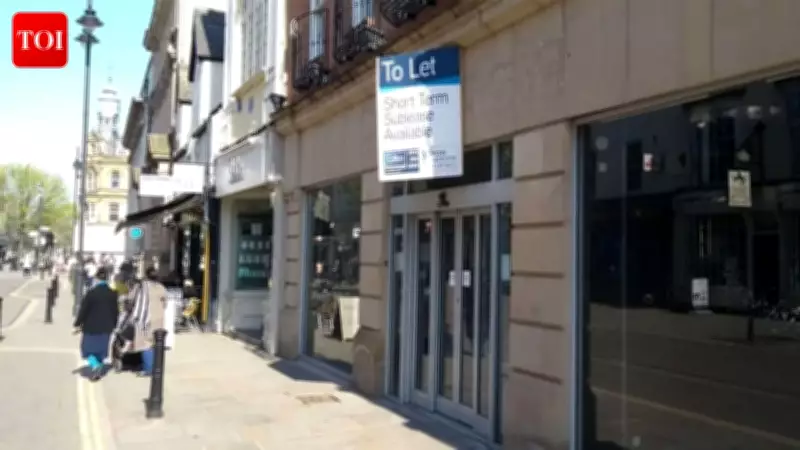
The British high street is undergoing a dramatic transformation, and not for the better. Major retailers and banks are shutting down locations across the country, leaving town centers emptier and communities concerned.
Why Are So Many Stores Closing?
The reasons are multifaceted. Consumer habits have shifted dramatically toward online shopping and digital banking. People now prefer to manage their finances via apps rather than visiting branches, and they order groceries and goods online rather than browsing in person. This change in behavior has reduced foot traffic, making it harder for physical stores to remain profitable.
Rising operational costs are another factor. Businesses face higher wages, soaring energy prices, steep rents, inflation, and supply chain disruptions. These pressures squeeze profit margins, forcing companies to close underperforming locations.

Additionally, the high street now competes with global e-commerce giants that offer next-day delivery and lower prices. Traditional retailers are responding by investing in their online presence and focusing only on their busiest physical stores.
Major Brands Affected
Several well-known names are closing stores or branches across the UK:
- Morrisons: Closing approximately 100 Morrisons Daily convenience stores, many acquired from McColl's. These locations are not generating enough revenue to stay open, and some include Post Office counters, affecting access to essential services in smaller towns.
- Lloyds Banking Group: Shutting 79 branches (31 Lloyds and 48 Halifax sites). Combined with earlier closures, around 245 branches will disappear by 2026-2027. Older and vulnerable customers worry about losing face-to-face banking.
- Quiz: Closing all 37 remaining standalone stores after entering administration. Some concessions inside other retailers may survive.
- Claire's: Closed all 154 standalone stores in the UK and Ireland, resulting in about 1,300 job losses. Some concessions remain in department stores.
- Poundland: Over 100 locations closed as the chain streamlines operations.
- River Island: Closing selected stores to stay competitive against online rivals.
- Ex-WH Smith stores: Many rebranded locations are at risk due to weak demand.
- Other brands: GAME, Revolution Bars, TGI Fridays, House of Fraser, and some Dr. Martens shops are also reviewing their physical footprints.
Impact on Communities
The closures go beyond business. In smaller towns and suburbs, losing a supermarket or bank can mean losing access to essential services like post offices and cash handling. Elderly and vulnerable residents who are not comfortable with digital alternatives may be left behind. The shuttered doors symbolize a broader shift in how people live and shop, often leaving high streets devoid of vitality.
What Does the Future Hold?
The high street is not dying, but it is evolving. Experts predict that town centers will focus less on retail and more on food, drink, leisure, healthcare, and community spaces. Physical shops will not disappear entirely, but businesses will be more selective about where they open. For now, the trend of closures shows no sign of slowing, as retailers continue to adapt to changing consumer behaviors and economic pressures.
As empty windows and closed signs multiply, the message is clear: the British high street is in the midst of a profound shake-up, and the way people shop and bank will never be the same.






