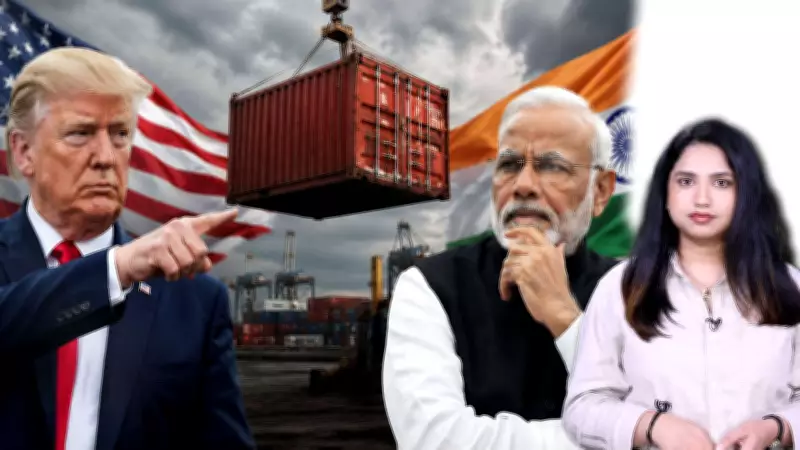
The United States has escalated trade tensions with India by proposing additional tariffs of up to 12.5% on Indian exports. This move comes amid ongoing negotiations between the two nations. The Office of the United States Trade Representative (USTR) has justified the tariffs not on the grounds that Indian factories use forced labour, but because India lacks a domestic law to block forced-labour goods from entering its own market.
The Legal Gap Washington is Targeting
The core issue lies in India's legal framework. While the U.S. has laws prohibiting the import of goods made with forced labour, it argues that India does not have equivalent measures. This discrepancy allows products tainted by forced labour to potentially enter India, which the U.S. sees as a loophole that undermines global efforts to combat forced labour. The proposed tariffs are intended to pressure India into enacting legislation that would ban such imports.
Sectors Most Exposed
The proposed tariffs would affect a range of Indian exports. Key sectors at risk include textiles, agricultural products, and manufactured goods. These industries are significant contributors to India's export economy and could face substantial losses if the tariffs are imposed. The USTR has indicated that the tariffs could be applied to specific products where forced labour concerns are most prevalent.

India's Measured Response
India's response to the U.S. threat has been notably measured. Rather than retaliating with immediate counter-tariffs, Indian officials have emphasized their commitment to addressing forced labour issues. India has pointed to its existing laws and initiatives, such as the Bonded Labour System (Abolition) Act, and has signaled willingness to engage in further dialogue. Analysts suggest that this approach may be India's smartest move, as it avoids escalating the trade war while demonstrating a constructive stance.
Why This Could Be a Strategic Advantage
By not reacting aggressively, India positions itself as a responsible global actor. This could strengthen its negotiating position in ongoing trade talks and potentially lead to a more favorable outcome. Additionally, India may use this opportunity to reform its own trade policies, which could have long-term benefits for its economy.
The situation remains fluid, with both sides expected to continue discussions. The outcome will have implications not only for India-U.S. trade relations but also for global efforts to combat forced labour.