

Rajkot Hospitality Sector in Crisis as West Asia War Disrupts Fuel Supplies
The ongoing conflict in West Asia has triggered a severe fuel supply disruption, plunging Rajkot's hotels and restaurants into an operational crisis. While Ahmedabad has experienced only limited impact thanks to extensive piped natural gas (PNG) infrastructure, Rajkot's commercial establishments are struggling with LPG cylinder shortages, forcing many to abandon modern cooking methods.
Rajkot's Desperate Shift to Traditional Cooking Methods
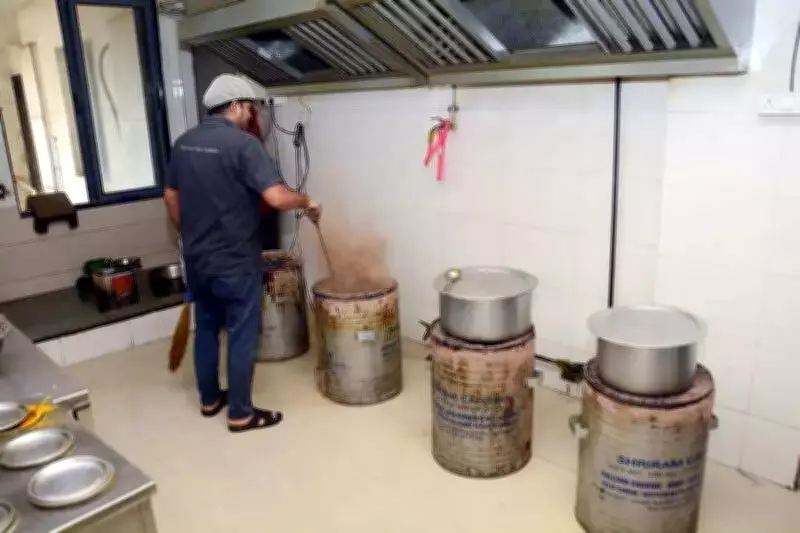
In Rajkot, daily LPG cylinder availability has plummeted to just 10–30% of normal needs, compelling businesses to revert to age-old cooking techniques. Bhavya Parmar, owner of Sahaj Hotel near Metoda GIDC, which serves around 500 customers daily and operates a 20-room hotel, typically uses three LPG cylinders per day. With supplies drying up, Parmar explored induction cooking but found equipment unavailable for nearly two months.
"We constructed a kiln using an oil barrel and started using coal, since it's easily accessible," Parmar explained. Today, five such kilns are in operation, and staff are undergoing training to adapt. "We've simplified the menu significantly — items like fulka roti are no longer being served," he added.

Widespread Operational Downgrades and Financial Strain
Kesar Dhani on Jamnagar Road, which normally consumes 120 cylinders monthly, has also been forced to scale down operations. Owner Naimee Khakhar stated, "We are using firewood even to cook meals for our staff and have reduced the menu." This crisis has exposed the vulnerability of businesses that had shifted away from PNG in favor of cheaper LPG. Those seeking to switch back to PNG face waiting periods of up to 45 days despite having paid deposits.
Ahmedabad's Resilience Through PNG Adoption
In stark contrast, Ahmedabad's hospitality sector remains largely insulated from the disruption. "Ahmedabad city has good penetration of PNG, so the issue is much less here," said Dilip Thakkar, Ahmedabad chapter head of the National Restaurant Association of India (NRAI). "The organized sector is largely connected to PNG, though smaller LPG-dependent players like street vendors are feeling the impact and managing with limited menus."
Impact on Catering and Smaller Operators
Outdoor catering services, which primarily depend on LPG, are also feeling the pinch, though the lean season has softened the blow. Dishant Pullar, who runs a south Indian eatery chain in Ahmedabad, noted his outlets have not faced any disruption. "We are largely dependent on PNG, so there has been no issue," he said.
However, smaller operators are struggling significantly. Sandip Patel, who runs a Bhojanalay in Kalupur, shared, "We have shifted to wood-fired chulhas for a month as gas availability is an issue. At our margins, it is difficult to keep up with costs. Our staff has reduced from 9–10 to 4–5 people, and managing operations has been tough."
The situation highlights the critical importance of diversified energy sources in the hospitality industry, with Rajkot's reliance on LPG proving costly amid global geopolitical tensions.






