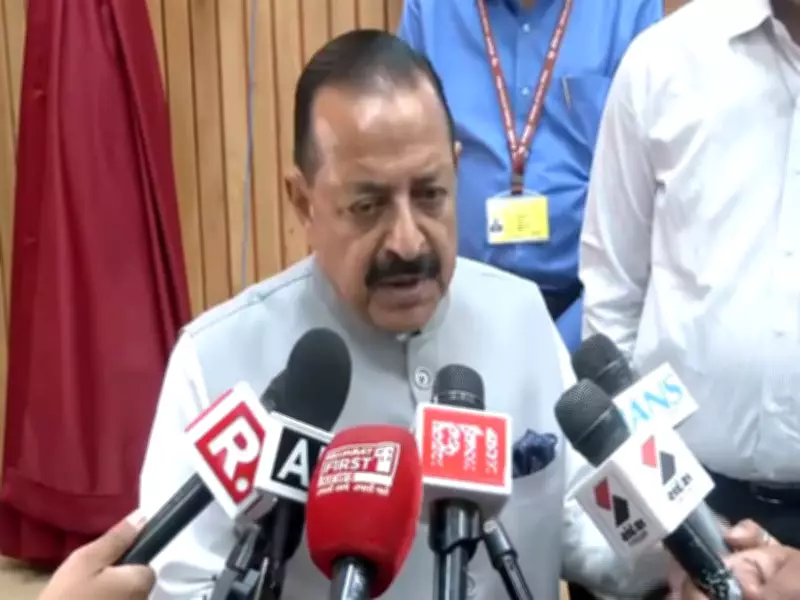
India is set to revolutionize its weather forecasting capabilities with the deployment of artificial intelligence (AI)-enabled systems that will deliver hyper-local forecasts and real-time monsoon updates. Union Minister Jitendra Singh announced the initiative, emphasizing its potential to transform disaster management and agricultural planning across the country.
AI-Driven Precision
The new systems will leverage AI algorithms to analyze vast datasets from satellites, ground stations, and ocean buoys. This will enable forecasts at a granular level, covering areas as small as a few square kilometers. The AI models will process historical weather patterns, real-time atmospheric conditions, and oceanographic data to predict rainfall, temperature, humidity, and wind speeds with unprecedented accuracy.
Monsoon Updates
One of the key features will be real-time monsoon updates, providing timely information on onset, progression, and intensity. Farmers will receive alerts on expected rainfall, helping them optimize sowing, irrigation, and harvesting schedules. The system will also issue warnings for extreme events like cyclones, floods, and droughts, allowing authorities to take preemptive measures.

Disaster Preparedness
The AI-enabled systems will enhance disaster preparedness by offering early warnings and risk assessments. Local administrations can use the data to plan evacuations, allocate resources, and coordinate relief efforts. The integration of AI will reduce forecast errors and improve the lead time for severe weather alerts.
Implementation and Impact
The initiative aligns with the government's vision of a technology-driven 'New India'. The Indian Meteorological Department (IMD) will collaborate with tech startups and research institutions to develop the AI models. Pilot projects are already underway in select regions, with plans for nationwide rollout by the next monsoon season.
The hyper-local forecasts will also benefit other sectors such as transportation, energy, and tourism. Airlines can avoid turbulence, energy companies can manage grid loads, and tourists can plan activities based on accurate weather predictions.
Challenges and Future Scope
While AI offers immense potential, challenges remain in data quality, model validation, and infrastructure. The government is investing in high-performance computing and training personnel to address these issues. Future upgrades may include integration with IoT devices and mobile apps for personalized alerts.
This initiative marks a significant leap in India's weather forecasting capabilities, promising to safeguard lives and livelihoods through precise, timely, and actionable weather information.