

Budget 2026: Anticipation Builds for Middle-Class Relief on Home Loans and Health Insurance
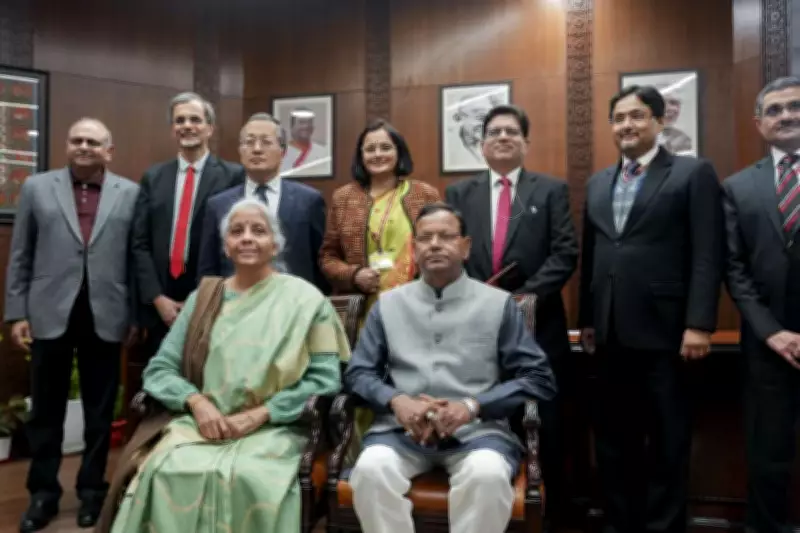
With the Union Budget for 2026 on the horizon, all eyes are on Finance Minister Nirmala Sitharaman as she prepares to present the fiscal roadmap for the upcoming year. A key focus of speculation and hope revolves around potential relief measures aimed at India's vast middle-class population, particularly concerning home loans and health insurance.
Mounting Pressure for Enhanced Home Loan Benefits
The real estate sector and countless aspiring homeowners are keenly watching for announcements that could ease the burden of housing finance. Currently, under Section 24(b) of the Income Tax Act, homeowners can claim a deduction of up to Rs 2 lakh on interest paid for a self-occupied property. There is a growing chorus of demands from various stakeholders, including industry bodies and consumer groups, for this limit to be increased.
An enhancement in the deduction cap would provide significant tax savings, effectively reducing the overall cost of borrowing for new home purchases. This move is seen as crucial for stimulating demand in the housing market, which has faced challenges due to high interest rates and inflationary pressures in recent years. Furthermore, such a measure could incentivize first-time buyers and support the government's broader vision of Housing for All.

Health Insurance: A Critical Need for Financial Security
Parallel to the housing concerns, the rising cost of healthcare has placed immense strain on middle-class families. The existing deduction under Section 80D of the Income Tax Act allows for a claim of up to Rs 25,000 for health insurance premiums for self, spouse, and dependent children (Rs 50,000 for senior citizens). Given the escalating medical expenses, there is a strong argument for revising these limits upward.
Increasing the deduction for health insurance premiums would not only offer direct tax relief but also encourage more households to secure adequate health coverage. This is vital for improving financial resilience against medical emergencies and reducing out-of-pocket healthcare expenditures, which remain a leading cause of indebtedness among Indian families.
Broader Economic Context and Expectations
The upcoming budget is set against a backdrop of global economic uncertainties and domestic priorities aimed at sustaining growth. The middle class, often described as the backbone of the Indian economy, contributes significantly through consumption and savings. Providing targeted relief in areas like housing and healthcare could boost disposable incomes, thereby stimulating economic activity.
While the final decisions rest with the Finance Ministry, analysts suggest that any concessions will need to be balanced with fiscal prudence. The government's track record in previous budgets has shown a cautious approach to direct tax changes, often favoring long-term structural reforms over immediate populist measures. However, the persistent demands from the public and industry may prompt a reevaluation this time around.
As the budget day approaches, the anticipation among taxpayers, financial advisors, and market observers continues to build. Whether FM Sitharaman will unveil the much-desired relief for home loans and health insurance remains a pivotal question, with the potential to shape household finances and economic sentiment for the year ahead.






