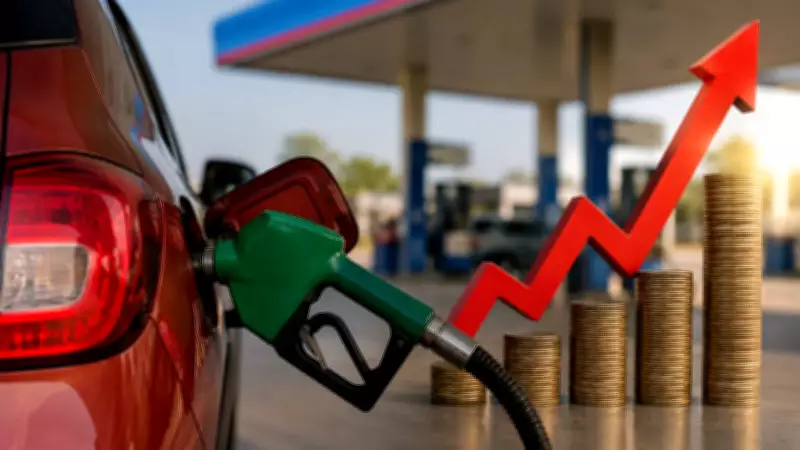
The recent surge in petrol and diesel prices has significantly raised vehicle running costs across India, with fuel prices increasing by nearly Rs 4 per litre in several cities within a single week. Amid concerns over further hikes linked to global crude oil prices and supply disruptions, improving fuel efficiency has become a top priority for many car owners. Although mileage figures are crucial during purchase decisions, real-world fuel efficiency largely depends on driving habits, maintenance, and vehicle condition. Ignoring a few basic practices can lead to noticeably higher fuel consumption.
Driving Habits That Affect Fuel Economy
Aggressive driving is one of the most common reasons behind poor mileage. Frequent hard acceleration, sudden braking, and high-speed driving increase the load on the engine, resulting in higher fuel usage, especially in city traffic. Smooth acceleration and controlled braking can help improve efficiency. Additionally, maintaining a steady speed and anticipating traffic flow can reduce unnecessary fuel consumption.
Tyre Pressure and Maintenance
Tyre pressure has a direct impact on fuel economy. Underinflated tyres increase rolling resistance, forcing the engine to work harder and consume more fuel. Maintaining the recommended tyre pressure can improve mileage and reduce tyre wear. It is advisable to check tyre pressure at least once a month and before long trips.

Reducing Vehicle Weight
Unnecessary weight inside the vehicle can further affect efficiency. Carrying heavy luggage, unused accessories, or roof carriers increases fuel consumption during daily use. Removing excess weight and avoiding roof carriers when not needed can help save fuel.
Idling and Engine Management
Long periods of idling waste fuel. Keeping the engine running while waiting in traffic or during extended stops increases consumption unnecessarily. Turning off the engine during longer halts, such as at railway crossings or while waiting for someone, can help save fuel. Modern engines are designed to start efficiently, so restarting does not use excessive fuel.
Regular Servicing and Maintenance
Regular servicing remains important for maintaining fuel efficiency. Components such as air filters, spark plugs, engine oil, and fuel injectors affect engine performance over time. Delayed maintenance can lead to increased fuel consumption and reduced efficiency. Following the manufacturer's service schedule ensures optimal performance.
Air Conditioning Usage
Continuous use of air conditioning at very low temperatures places additional load on the engine, especially in smaller petrol cars. Moderate AC usage can help reduce fuel usage during regular commutes. Using the AC only when necessary and setting it to a moderate temperature can improve efficiency.
Gear Selection and Wheel Alignment
Driving in the wrong gear can further reduce mileage. Using higher gears at low speeds or revving excessively in lower gears affects engine efficiency. Selecting the correct gear according to speed helps maintain better fuel economy. Additionally, wheel alignment is often ignored. Poor alignment creates additional drag and uneven tyre wear, both of which can reduce efficiency. Signs such as the vehicle pulling to one side or an off-centre steering wheel may indicate alignment issues.
Driving Patterns and Fuel Quality
Frequent short trips can also impact mileage because the engine may not reach its optimal operating temperature. Multiple short drives generally consume more fuel than a single longer trip covering the same distance. Combining errands into one trip can help improve efficiency. Fuel quality also affects efficiency and engine performance. Using contaminated or low-quality fuel can affect combustion and reduce mileage. Refuelling from reliable stations and using the recommended fuel type can help maintain better efficiency.
With fuel prices remaining volatile, small changes in driving habits and regular maintenance can help lower fuel expenses while also improving the long-term condition of the vehicle. By adopting these practices, car owners can mitigate the impact of rising fuel costs and contribute to a more efficient driving experience.