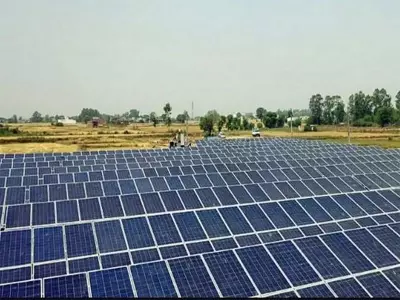
Every time Rajat Grewal fills up his Mahindra Thar in Delhi, it costs him around Rs 3,000. He does it roughly twice a month, spending over Rs 5,500 monthly just on diesel. And that is before global crude prices have fully filtered through to the pump. Meanwhile, about 900 kilometers away in Ahmedabad, Kunjan Bhavsar has not paid an electricity bill in months. His rooftop solar system, installed in 2024, generates more than his household uses. The system will pay for itself in five to six years.
Understanding the Monthly Shock
Rising fuel, power, and LPG prices are straining household budgets across India. For many, these essential expenses have become unpredictable and burdensome. However, with careful planning and smart choices, it is possible to reduce the impact. This article explores effective strategies to cut costs on fuel, electricity, and cooking gas.
Fuel Savings Strategies
Fuel costs can be managed through several approaches. First, consider carpooling or using public transport where feasible. For those who must drive, maintaining proper tire pressure and regular engine servicing improves fuel efficiency. Additionally, using fuel cards or loyalty programs can offer discounts. Rajat Grewal, for instance, could explore diesel alternatives like biodiesel blends or consider a more fuel-efficient vehicle for daily commutes.

Reducing Electricity Bills
The most impactful way to lower electricity bills is to generate your own power. Rooftop solar systems, like Kunjan Bhavsar's, can eliminate bills entirely. While the upfront cost is significant, government subsidies and net metering policies make it viable. For those not ready for solar, simple habits like switching to LED bulbs, using energy-efficient appliances, and unplugging electronics when not in use can save up to 30% on bills.
LPG Cost Management
LPG prices have also seen sharp increases. To reduce consumption, use pressure cookers and induction cooktops where possible. Keep the flame clean and use a lid to retain heat. Consider switching to a piped natural gas connection if available in your area, as it is often cheaper and more convenient. Bulk buying of cylinders or using cashback apps can also provide savings.
Long-Term Solutions
Investing in renewable energy, such as solar panels, offers long-term relief. Similarly, electric vehicles (EVs) can drastically cut fuel costs. Though initial costs are high, government incentives and falling battery prices make EVs increasingly affordable. For LPG, transitioning to induction cooking or solar cookers can eliminate gas bills entirely.
Behavioral Changes
Small daily changes add up. For example, planning errands to avoid multiple trips reduces fuel usage. Using natural light and air instead of artificial lighting and AC lowers electricity consumption. Cooking in batches and using leftover heat can cut LPG usage. These habits not only save money but also reduce environmental impact.
Conclusion
While rising fuel, power, and LPG costs are challenging, proactive measures can soften the blow. From adopting renewable energy to simple lifestyle adjustments, every step helps. As Rajat Grewal and Kunjan Bhavsar show, the key is to think long-term and invest in solutions that pay back over time. By implementing these strategies, households can achieve greater financial stability and energy independence.