Consumers in Goa will have to pay more for full cream milk starting next week. The Goa State Cooperative Milk Producers’ Union, popularly known as Goa Dairy, has announced a price increase of Rs 3 per litre for its full cream milk variant. The new rate of Rs 70 per litre will come into effect from December 3, as per a circular issued by the dairy on Tuesday.
Details of the Price Revision and New Pack
This price hike comes within 23 months of the previous increase, making full cream milk more expensive for households across the state. Alongside the price revision, Goa Dairy has also expanded its packaging options. The dairy has introduced a new 500ml pack of full cream milk, priced at Rs 35. Previously, this variant was available only in one-litre packets.
Importantly, the price revision is specific to the full cream milk. The dairy has confirmed that the prices of all other milk variants will remain unchanged for now. This decision was made by the state's apex milk union, affecting only the premium variant.

Current Prices of Other Milk Variants
Goa Dairy currently retails four main variants in the Goan market. Here is a breakdown of the unchanged prices and their specifications:
Shakti (Standardised Milk): Continues to be sold at Rs 29 for a 500ml pack. It is marketed in green packets with 4.5% fat and 8.5% SNF (Solid-Not-Fat).
Cow Milk: Remains priced at Rs 27 for 500ml. It is available in red packets containing 3.2% fat and 8.3% SNF.
Cold Gold (Toned Milk): Maintains its price at Rs 51 per litre. The 475ml pack continues to cost Rs 25. This variant comes in blue packets with 3.0% fat and 8.5% SNF.
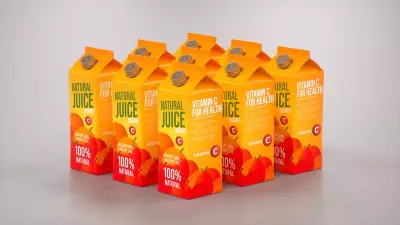
The full cream milk, which is now costlier, is sold in orange-coloured packets. It contains 6.0% fat and 9.0% SNF, making it the richest variant offered by the cooperative.
Impact on Household Budgets
The Rs 3 per litre increase will have a direct impact on monthly household expenses, especially for families that are regular consumers of full cream milk. For a household that consumes an average of two litres of milk per day, this price hike translates into an additional expenditure of approximately Rs 180 per month.
While the dairy has not cited specific reasons for the hike in its circular, such revisions are typically influenced by rising operational costs, including feed for cattle, transportation, and packaging. The move highlights the ongoing economic pressures affecting the dairy sector.
The introduction of the 500ml pack offers some flexibility to consumers who may want to manage their budgets by purchasing smaller quantities, even at the new, higher rate per litre.