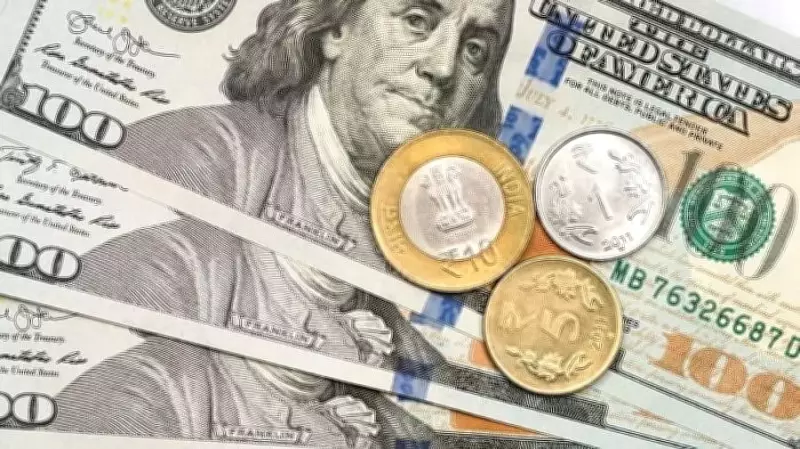
The Indian rupee plunged to a historic low of 95.80 against the US dollar during intraday trading on Monday, before recovering slightly to settle at 95.66, just shy of its all-time closing low. The sharp decline was driven by robust demand for the US currency from importers and banks, coupled with a sell-off in domestic equity markets.
Factors Behind the Rupee's Fall
Several factors contributed to the rupee's weakness. The dollar index strengthened globally as investors sought safe-haven assets amid geopolitical tensions and uncertainty over global economic growth. Additionally, foreign portfolio investors (FPIs) continued to pull funds out of Indian equities, adding pressure on the rupee. The Reserve Bank of India (RBI) is believed to have intervened intermittently to curb volatility, but the currency still ended near its record low.
Impact on Markets and Economy
The rupee's depreciation has broad implications. Import-dependent sectors such as oil, electronics, and chemicals face higher input costs, potentially fueling inflation. On the positive side, export-oriented industries like IT services and textiles may benefit from a weaker rupee. The stock market also felt the heat, with the BSE Sensex falling over 500 points, reflecting investor anxiety.

Expert Views
Analysts suggest that the rupee may remain under pressure in the near term due to persistent dollar demand and global headwinds. However, some believe that the RBI's interventions and potential measures to attract capital inflows could provide support. The currency's trajectory will likely depend on the US Federal Reserve's policy stance and domestic economic data.
Historical Context
The previous record low for the rupee was 95.63 against the dollar, set earlier this year. The currency has been on a downward trend since early 2022, losing over 10% of its value against the greenback. The current level marks a new milestone in the rupee's depreciation, raising concerns about the country's external stability.
As the rupee navigates these turbulent waters, market participants are closely watching for any policy announcements from the government or the central bank to stem the slide.