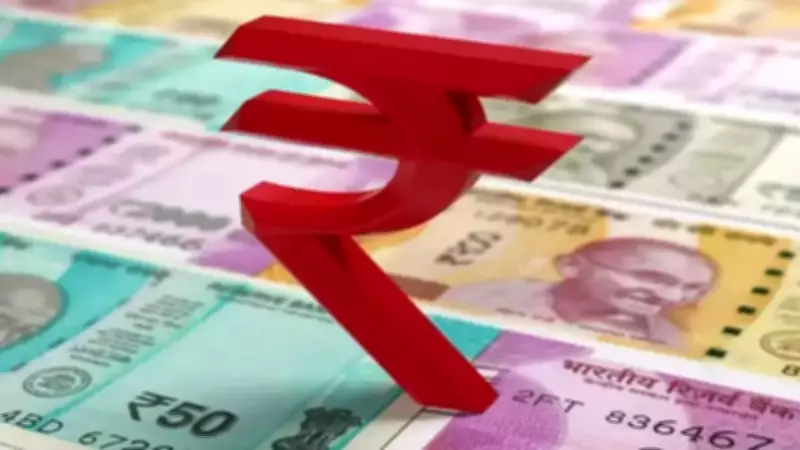
The Indian rupee experienced its most significant single-day decline in over a month on Monday, dropping nearly 0.9 percent to close at an all-time low of 95.31 against the US dollar. This sharp fall was triggered by rising crude oil prices and heightened tensions between the United States and Iran, which rattled financial markets, as reported by Reuters.
Reasons Behind the Rupee's Decline
The currency's slide followed US President Donald Trump's rejection of Iran's response to a proposed peace deal, escalating fears of prolonged disruptions in global energy supplies through the strategic Strait of Hormuz. This key oil transit route has seen severe disruptions, pushing Brent crude prices up by 2.5 percent to $103.8 per barrel.
Impact on Indian Markets
The selloff spread across Indian markets, with benchmark equity indices dropping by 1.5 percent and government bond prices weakening. The yield on India's benchmark 10-year bond rose by 6 basis points, reflecting investor anxiety.

The rupee's fall marked its steepest one-day decline since March 27, mirroring weakness across other regional currencies. Over the weekend, Prime Minister Narendra Modi called for measures such as fuel conservation, reduced imports, and lower travel consumption as rising oil prices began straining India's foreign exchange position.
Vulnerability of India's Economy
India, being one of the world's largest energy importers, remains highly susceptible to crude price spikes. Such increases can widen the current account deficit, raise inflation, and slow economic growth. According to ANZ analysts cited by Reuters, "Structurally weak external funding conditions mean even a small widening of the current account deficit will continue to put pressure on the INR and FX reserves."
India's foreign exchange reserves stood at $690.69 billion as of May 1, according to data from the Reserve Bank of India (RBI). This is down from the record high of $728 billion touched in February before the Iran conflict intensified.
Global Market Context
In global markets, the dollar index remained largely steady near the 98 mark, while US stock futures pointed to a muted start on Wall Street. The ongoing tensions continue to create uncertainty in financial markets worldwide.