

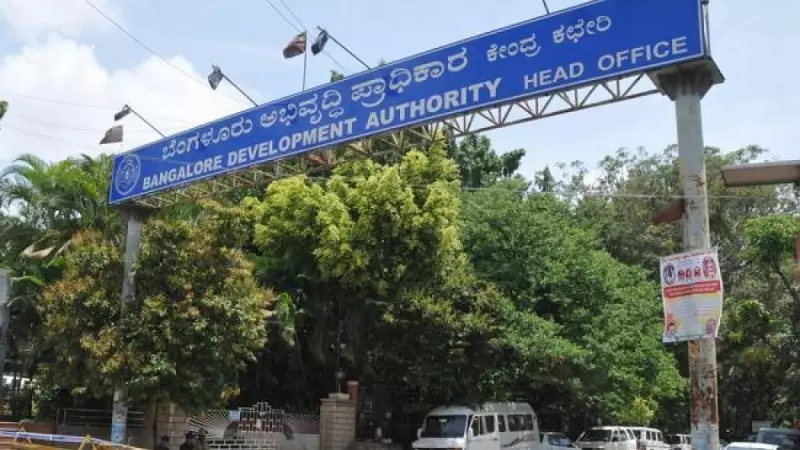
The Bangalore Development Authority (BDA) is gearing up for a legal battle after the Karnataka Real Estate Regulatory Authority (KRERA) rejected its application seeking exemption from the provisions of the Real Estate (Regulation and Development) Act, 2016. The BDA has decided to challenge this order before the Karnataka Real Estate Appellate Tribunal, marking a significant development in the ongoing tussle between the development body and the state regulator.
The Core of the Dispute: Are BDA Layouts "Real Estate Projects"?
The heart of the conflict lies in the BDA's interpretation of its role. The authority had filed an application with KRERA, arguing that the development and formation of residential layouts should not be classified as "real estate projects" under RERA. The BDA contended that its primary function is to create infrastructure and form sites, after which it allocates plots to allottees. The actual construction of houses, it argued, is undertaken by the individual allottees, not the BDA itself.
Therefore, the BDA sought an exemption from the stringent registration, disclosure, and compliance requirements mandated by RERA for promoters. These requirements include depositing 70% of project funds in a separate escrow account, regular project updates, and adherence to promised timelines, which the BDA finds onerous for its layout development model.

KRERA's Firm Rejection and Rationale
KRERA, however, was not convinced by this argument. The regulatory authority, in its order dated July 3, 2024, firmly dismissed the BDA's plea. KRERA clarified that the definition of a "real estate project" under Section 2(zn) of RERA is broad and inclusive. It encompasses the development of a building or a building consisting of apartments, or converting an existing building or a part thereof into apartments, or the development of a plot into a colony.
KRERA explicitly stated that the development of a layout, where plots are formed and sold to the public, squarely falls within this definition. The authority emphasized that the BDA, in this process, acts as the "promoter" as defined by the Act. KRERA's order underscores that the intent of the parliamentary law is to protect homebuyers and allottees across all types of real estate development, including plotted developments, and no entity can be placed above this consumer protection law.
Implications and the Road Ahead
The BDA's decision to appeal sets the stage for a crucial legal interpretation that could have wide ramifications. A ruling by the Appellate Tribunal will provide much-needed clarity on whether public development authorities forming layouts are bound by the same rules as private real estate developers.
For thousands of allottees waiting for sites in various BDA layouts, this case is of direct importance. If the BDA is brought under RERA's purview, it would empower plot buyers with several rights:
- Legal assurance against indefinite delays in layout formation and possession.
- Transparency regarding project plans, approvals, and fund utilization.
- A formal grievance redressal mechanism through KRERA.
- Assurance that a significant portion of their money is secured in a dedicated account for the project.
The BDA's challenge is expected to be filed soon, and the Appellate Tribunal's decision will be closely watched by other similar development authorities across Karnataka and potentially other states. The outcome will determine if the consumer-centric shield of RERA extends fully to state-run plotted development schemes or if a different set of rules applies.






