In a significant decision, the Town and Country Planning (TCP) department of Goa has officially revoked its earlier approval for converting the land use of two large plots in Arambol, Pernem, to settlement zones. This move comes after sustained protests from local villagers over several months.
Decision Follows Public Agitation and Ministerial Announcement
The formal notification for the withdrawal was issued by Chief Town Planner (Planning), Vertika Dagur, on Thursday. This action directly follows the public announcement made by TCP Minister Vishwajit Rane, who stated that the controversial approval would be retracted. The TCP board has stated that the decision to withdraw was actually taken on December 23.
The department had initially agreed to the conversion under Section 39A of the Goa TCP Act, which involved modifying the Regional Plan, 2021. The land in question, totalling approximately 3 lakh square meters, is owned by Kishore Kumar Kaya Kailash Rajendra Singla.

Details of the Affected Land Parcels
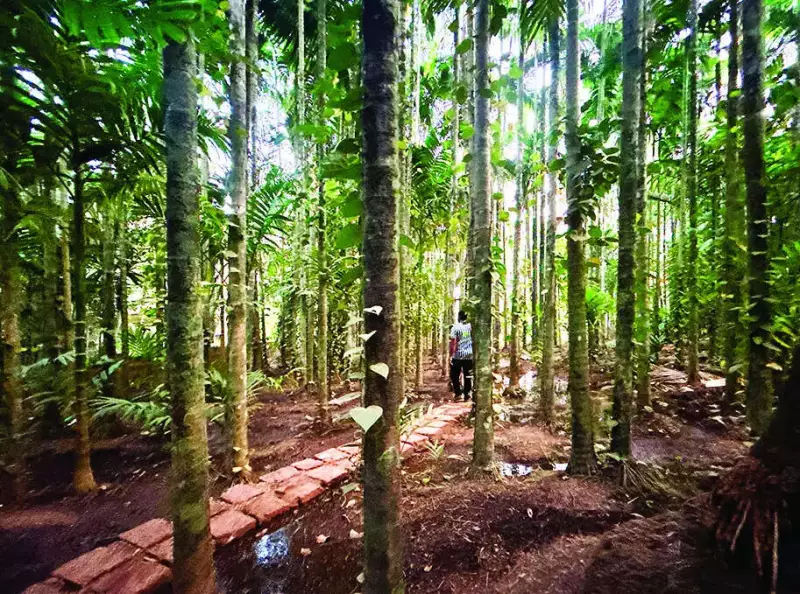
The reversal impacts two specific survey numbers. The first plot, survey no. 275/0 (part), spans an area of 1 lakh square meters. This parcel includes orchard land, a playground, and a no-development slope, all of which had been cleared for conversion into a settlement zone.
The second and larger plot, covering 2 lakh square meters, had a proposal to convert over 1.2 lakh square meters into a settlement area. The land earmarked for conversion within this survey number comprised orchard land, no-development slopes, and a 608 square meter plot designated as crematorium land.
Implications and Community Response
The withdrawal marks a major victory for the Arambol villagers who had been consistently opposing the proposed land use change. Their agitation highlighted concerns about preserving the local environment, community spaces, and the character of the coastal village against large-scale settlement development.
This decision underscores the influence of sustained community action on urban planning decisions in Goa. It also reflects the government's responsiveness to public sentiment on matters of land use and development, particularly in ecologically and socially sensitive areas like Pernem.