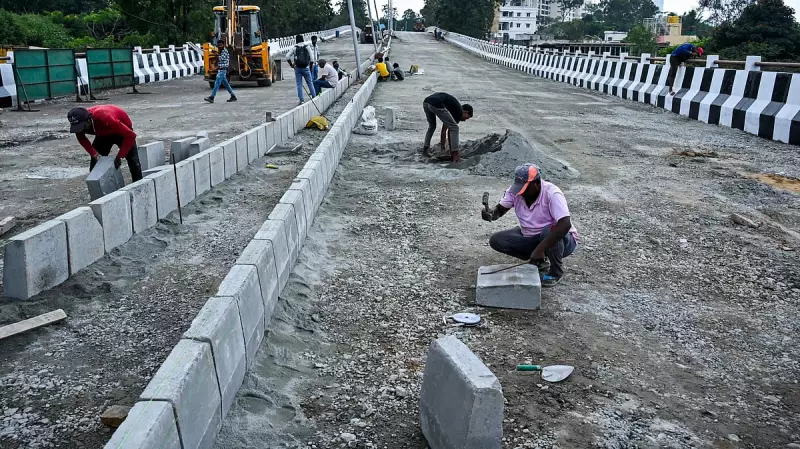
After an agonizing five-year delay that tested the patience of daily commuters, Bengaluru's Hosakerehalli flyover has finally opened to the public, marking a significant milestone in the city's infrastructure development. The much-anticipated inauguration brings relief to thousands of vehicles that navigate the congested Outer Ring Road corridor every day.
The Long Road to Completion
The construction journey of Hosakerehalli flyover began in 2019 with an initial completion deadline set for 2021. However, multiple factors including the COVID-19 pandemic, technical challenges, and administrative hurdles stretched the project timeline to nearly double its original schedule. The 400-meter long infrastructure project, built at a cost of approximately ₹52 crore, represents one of the many delayed infrastructure initiatives in India's Silicon Valley.
Local authorities from the Bruhat Bengaluru Mahanagara Palike (BBMP) confirmed that the flyover has undergone all necessary safety inspections and is now fully operational. The structure connects critical points along the Outer Ring Road, particularly benefiting commuters traveling between Hosakerehalli and neighboring areas like Banashankari and Nagarbhavi.

Impact on Bengaluru's Traffic Woes
Commuters can expect significant reduction in travel time along this crucial corridor, especially during peak morning and evening hours. Before the flyover's completion, vehicles often remained stuck at the Hosakerehalli junction for 15-20 minutes during rush hours. The new infrastructure is projected to cut this waiting time by at least 70-80%, providing smoother transit for both private vehicles and public transport.
The flyover features two-lane carriageways in each direction with adequate safety measures including crash barriers and proper illumination. Pedestrian facilities have also been incorporated at ground level to ensure safe crossing for those not using the flyover. Local shop owners and residents who have endured years of construction-related inconveniences are now optimistic about improved mobility and accessibility in the area.
Future Infrastructure Developments
This completion marks a positive step forward in Bengaluru's ongoing efforts to address its notorious traffic problems. City development authorities have indicated that several similar projects are in the pipeline, with lessons learned from the Hosakerehalli experience being applied to future infrastructure initiatives. The successful opening, though delayed, demonstrates the city's commitment to enhancing urban mobility despite challenges.
Transportation experts suggest that while the flyover will provide immediate relief, comprehensive solutions including improved public transportation and integrated traffic management systems remain crucial for long-term sustainable mobility in India's tech capital. The Hosakerehalli flyover stands as both an achievement and a reminder of the complexities involved in urban infrastructure development in rapidly growing metropolitan areas.