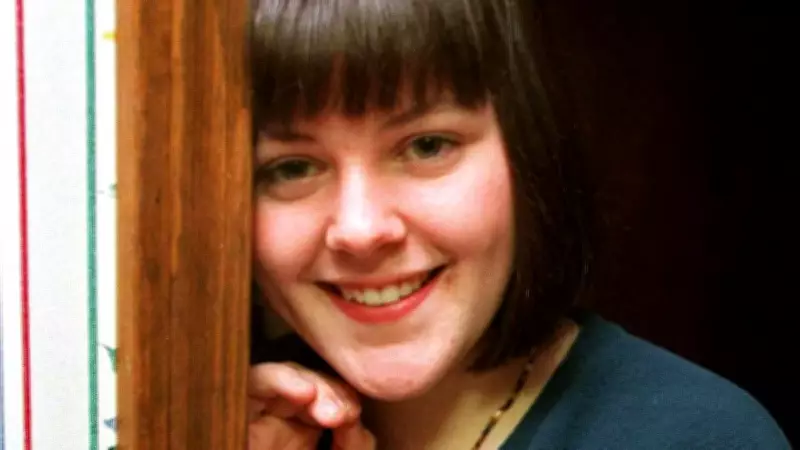
Four decades ago, in 1981, Elizabeth Carr was born and instantly became front-page news as the first in vitro fertilization (IVF) baby in the United States. Now in her 40s, she is opening up about what it was like to grow up as the answer to a major medical "what if."
Growing Up in a Media Circus
Carr describes her early years as a "media circus." Even today, she encounters persistent myths about IVF. "Kids, adults, even now, still have weird questions, like, 'Do you have a belly button?'" she says. This question stems from the misconception that IVF babies are "grown in a lab." Carr explains that IVF only involves fertilization in a lab; the embryo is then placed in the mother's uterus, and the pregnancy proceeds naturally.
The Birth That Made Headlines
Elizabeth Carr was born on December 28, 1981, at a time when IVF was seen as impossible or even frightening. In a recent interview with Encyclopaedia Britannica, she recalled the press conference held when she was just three days old, with reporters packed into the hospital. Her parents had to travel from Massachusetts to Virginia because IVF was illegal in their home state. They sought help from doctors Howard and Georgeanna Jones after Carr's mother suffered several dangerous tubal pregnancies.

Setting the Record Straight
After Carr's birth, her family faced relentless media attention, with headlines calling her "America's test-tube baby." Her parents emphasized that their family was normal, aiming to reduce the stigma around fertility treatments. Despite IVF now being common—over 12 million babies have been born worldwide using this technology—old questions persist. Carr often jokes about the belly button query but recognizes that many people still misunderstand how IVF works.
Understanding IVF
The term "test-tube baby" contributed to public misconceptions. "In vitro" means "in glass," which fueled science fiction-like perceptions. In reality, the process involves stimulating egg production, collecting eggs, fertilizing them in a lab, and transferring the embryo into the uterus. Carr notes that the debate around IVF remains heated, especially in the United States, where reproductive rights are frequently in the news. She advocates for IVF access for infertility patients, cancer survivors, LGBTQ couples, and military families, emphasizing that reproductive science is still relatively young.
A Legacy of Pride
Despite the strange questions and ongoing debates, Carr feels proud of her role. She considers herself a big sister to millions of IVF-conceived children worldwide. More than 40 years after her birth, her story highlights how medicine can change the world, even as stubborn myths persist about one of the most successful scientific breakthroughs.