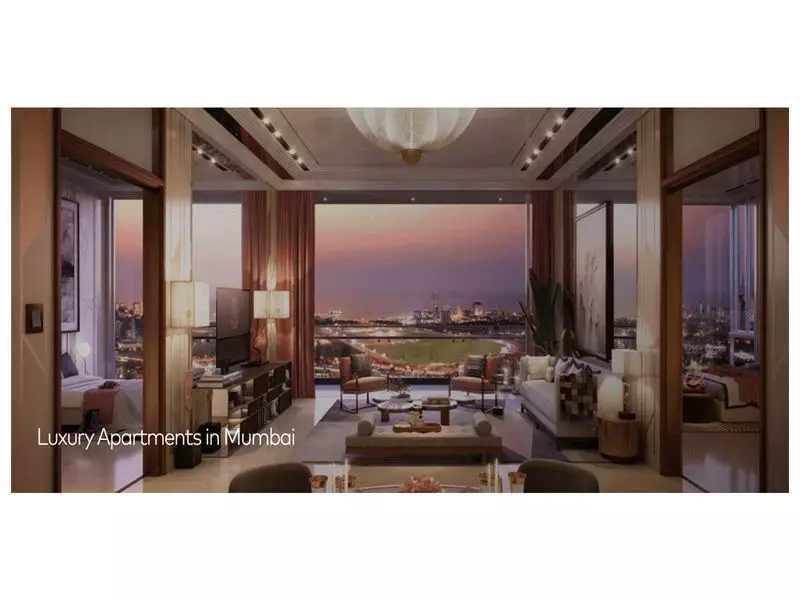
The landscape of urban living in India's financial capital is undergoing a profound transformation. As we move through 2025, luxury apartments in Mumbai are not just about prime location and square footage anymore. They are setting new global benchmarks by integrating cutting-edge technology, holistic wellness, and sustainable design to create self-sufficient micro-communities within the bustling metropolis.
The Pillars of Mumbai's New Luxury Living
Developers and architects are focusing on three core pillars to redefine the premium residential experience. The first is hyper-connectivity and smart automation. Apartments are now equipped with AI-powered home management systems that learn resident preferences, control climate, lighting, and security, and even manage inventory. High-speed fibre optics and dedicated 5G boosters ensure seamless work-from-home and entertainment experiences, making the apartment a true nerve center for both professional and personal life.
The second pillar is an unwavering commitment to health and wellness. The pandemic has left a lasting impact, and luxury developments now feature advanced air and water purification systems as standard. Beyond that, amenities have evolved from basic gyms to comprehensive wellness zones. These include yoga decks with expert instructors, meditation pods with biofeedback technology, hydrotherapy pools, and even on-call nutritionists and wellness coaches. The home is being reimagined as a sanctuary for physical and mental rejuvenation.

Sustainability and Community as Key Differentiators
The third defining characteristic is sustainable and eco-conscious design. In 2025, luxury is synonymous with responsibility. New projects are incorporating large-scale rainwater harvesting, on-site waste management and composting systems, and significant renewable energy generation through solar panels and wind turbines. The use of recycled and low-carbon construction materials is now a major selling point, appealing to environmentally aware high-net-worth individuals.
Furthermore, the concept of community living has been elevated. Luxury towers are designed with "social condensers"—spaces like co-working lounges, gourmet chef's kitchens for communal dining, curated libraries, and indoor play arenas for children. These spaces are meticulously designed to foster interaction and create a sense of belonging among residents, countering the anonymity often associated with high-rise living. The focus is on creating a vertical neighborhood.
The Market Response and Future Outlook
The market response to this new breed of luxury housing has been emphatically positive. Despite premium price tags, demand from wealthy Indians, including young entrepreneurs and returning NRIs, remains robust. These buyers are looking for future-ready homes that offer convenience, health, and a statement of values. The trend is most visible in key micro-markets like South Mumbai, Lower Parel, Bandra-Kurla Complex, and the emerging corridors of the city's redeveloped areas.
Industry experts predict this is not a passing fad but the new standard for urban luxury, not just in Mumbai but as a model for other Indian megacities. The integration of technology, wellness, and sustainability is seen as essential for attracting the discerning buyer of today and tomorrow. As one developer noted, the luxury apartment of 2025 is less of a passive asset and more of an active, life-enhancing ecosystem.
In conclusion, Mumbai's real estate sector is demonstrating remarkable innovation. The city's luxury apartments are successfully addressing the complex challenges of modern urban life by offering privacy, community, health, and environmental stewardship all within the confines of a single, sophisticated address. This holistic approach is truly redefining what it means to live well in one of the world's most dynamic cities.