The Evolution of Luxury Living in North India
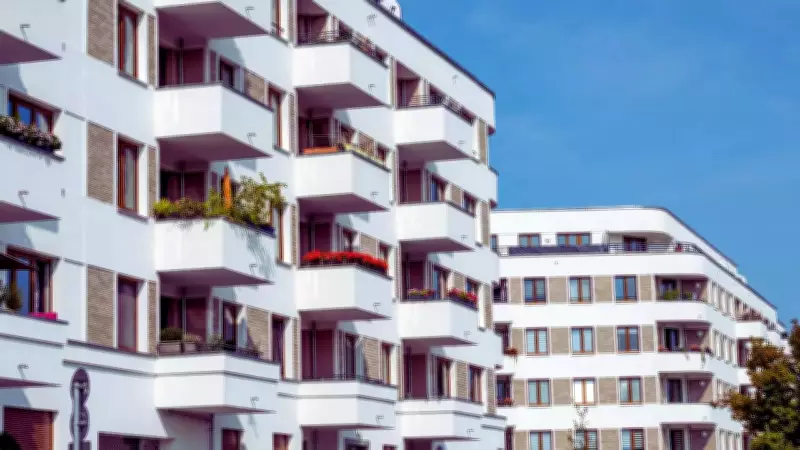
For many years, the concept of luxury housing in North India was firmly anchored in specific, well-known locations. The ultimate aspiration for affluent individuals and families was to reside within the exclusive gated communities of Delhi or the sleek, modern high-rise towers of Gurugram. The prevailing assumption was that any truly premium residential product had to be situated within these established metropolitan areas. However, over time, this argument has become significantly less convincing and compelling for a growing segment of high-net-worth buyers.
Redefining Status: Space Over Zip Code
As major cities have become increasingly dense and congested, with commutes growing longer and more unpredictable, the very definition of luxury has begun to evolve and transform. Larger homes in metro areas often came with compact, cramped surroundings, while even the most expensive addresses could no longer guarantee genuine privacy or tranquility. Eventually, discerning affluent buyers started to question this long-standing norm, frequently asking a more fundamental question: "How does it feel to actually live there?" This profound shift in mindset is now pushing emerging corridors, particularly Sonipat and Karnal, into much sharper focus within the luxury real estate landscape.
Somesh Mittal, Co-Founder of One Prastha, provides insights into this significant transition. The movement toward these emerging corridors is now driven less by novelty and more by sheer necessity. While metropolitan life continues to offer undeniable convenience, it is also becoming increasingly compressed and stressful. Even so-called luxury developments often exist within tightly packed urban ecosystems, sacrificing ambiance for location.

The Allure of Emerging Corridors
In stark contrast, cities situated along the NH-44 belt, such as Sonipat and Karnal, are offering prospective residents much more room to breathe—a quality reminiscent of urban living decades ago. Enhanced accessibility plays a crucial role in this shift, fueled by major infrastructure developments like the Kundli-Manesar-Palwal Expressway. Fortunately, Sonipat and Karnal are no longer perceived as distant or disconnected outliers. The commute to the National Capital Region (NCR) remains manageable, yet daily life unfolds at a gentler, more relaxed pace. This allows residents to enjoy a significantly more balanced and peaceful lifestyle compared to the relentless hustle and bustle of core city living. For a growing number of homebuyers, this harmonious balance is beginning to feel genuinely luxurious in the truest sense of the word.
A New Philosophy for Home Design
Contemporary luxury homes are not only larger in square footage but are also designed with multiple functional and emotional layers. With modern families actively seeking residences that can evolve alongside their changing needs, homes are now being consciously and thoughtfully architected. Furthermore, critical factors like multigenerational living arrangements, once treated as an afterthought, are now being meticulously accounted for in the design phase.
There is also a renewed and growing interest in plotted developments and comprehensively planned gated communities, primarily for the extensive range of amenities they provide. Lush gardens, dedicated walking and jogging paths, shared green spaces, and peaceful, secure neighborhoods are becoming central to how affluent homebuyers envision their future lives. It is little wonder, then, that forward-thinking developers are rewiring their approach, thinking beyond mere buildings to create holistic living environments.

Investment Potential in Emerging Markets
Another compelling aspect driving this shift is the investment potential. While established metro markets offer stability, their scope for substantial capital appreciation is often limited. Emerging cities are still actively shaping their growth narratives and urban identities. Early investments in these corridors carry the distinct possibility of significant long-term appreciation, especially as infrastructure continues to expand and mature. This development can lead to increased demand for premium real estate and improved overall economic conditions in these burgeoning cities. In many ways, this dynamic mirrors the early phases of what Gurugram once represented—a location that initially felt peripheral before it became absolutely central to the NCR's identity and economic fabric.
Rewriting the Narrative of Aspirational India
What is currently unfolding in Sonipat and Karnal is not a sudden, speculative boom but a gradual and deliberate reimagining of what premium living can and should look like. Lower population density allows for superior urban planning and more thoughtful community design, while principles of sustainability are easier to integrate from the ground up during development.
Most importantly, luxury is no longer being measured solely in high-end finishes or impressive floor-to-ceiling heights. The new metrics of luxury encompass better air quality, abundant natural light, a genuine sense of community, and, perhaps most valuable of all, time saved from grueling commutes. As India's urban story continues its relentless evolution, the most desirable residential addresses may not always be the most crowded or centrally located ones. Sometimes, they lie just beyond the traditional boundaries—close enough to stay connected to urban opportunities but far enough away to live a profoundly different, more fulfilling quality of life.