Telangana Developers Advocate for Major Expansion of Hyderabad's Growth Corridor
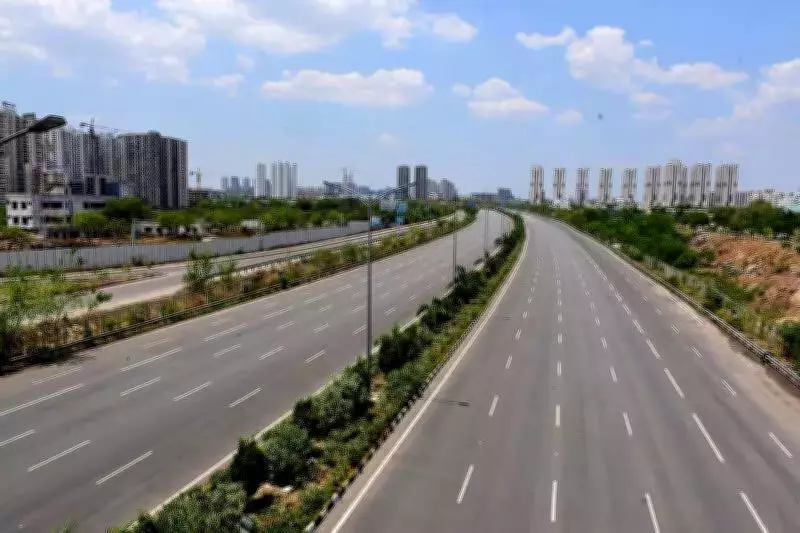
The Telangana Developers' Association (TDA) has formally requested the state government to significantly expand the Outer Ring Road (ORR) growth corridor area from the current one kilometre to three kilometres. This strategic move aims to direct the city's growth towards the expressway, aligning with newly proposed radial roads that will connect the ORR with the Regional Ring Road (RRR).
Proposals Submitted for Hyderabad Metropolitan Master Plan
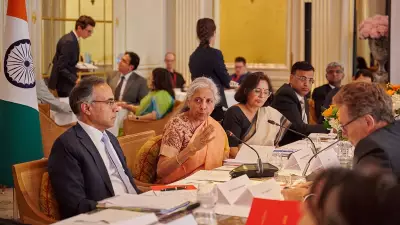
In a meeting held on Monday, TDA president GV Rao, vice president CG Sajjan Kumar, and other representatives presented their suggestions to Jayesh Ranjan, the special chief secretary for municipal administration. These recommendations are intended for inclusion in the Hyderabad metropolitan region master plan, which is currently being developed by the Hyderabad Metropolitan Development Authority (HMDA).
The association emphasized that expanding the growth corridor and implementing grid-pattern roads will facilitate urban expansion and alleviate pressure on the city's core areas. This approach is expected to promote balanced development and enhance infrastructure efficiency across the region.

Call for Removal of Peri-Urban Zone Restrictions
TDA highlighted that the previous master plan included a peri-urban zone, primarily located outside the city, where only 25% of the covered area was allocated for residential plots and housing. The association has urged the government to eliminate this zone in the new master plan and convert the area into a fully residential zone. This change would support increased housing availability and cater to the growing population demands.
Strict Conservation Zone Regulations Advocated
Simultaneously, TDA has strongly recommended against granting any relaxations in conservation zones, particularly for farmhouse plots, as suggested by other developers' associations in earlier discussions. GV Rao warned that allowing constructions in these zones could disrupt the environmental balance, leading to adverse impacts on agriculture, vegetable cultivation, milk production, and fruit farming.
He elaborated that even if the government restricts construction to 10% to 25% for farmhouses, additional structures such as quarters, car sheds, swimming pools, bleaching plants, and security guards' rooms would likely be added, further compromising conservation efforts.
Future Flexibility and Environmental Safeguards
However, TDA acknowledged that the government could consider converting certain conservation zones into residential and institutional areas in the future if necessary. Rao stressed the importance of adhering to current regulations in GO 111 areas and following recommendations from the National Green Tribunal to ensure sustainable development.
Infrastructure Recommendations for Village Areas
The association also proposed the installation of mini sewer treatment plants (STPs) in villages around Hyderabad, especially in the catchment areas of Himayatsagar and Osmansagar lakes. This measure aims to prevent pollution of these vital water bodies and protect the cultural heritage of the surrounding villages. Implementing STPs would contribute to maintaining ecological health and supporting long-term urban-rural integration.
Overall, TDA's proposals seek to foster a more organized and environmentally conscious expansion of Hyderabad, balancing growth with conservation and infrastructure needs.