Oman Disqualifies 20 Camels for Cosmetic Enhancements in Beauty Pageant Scandal
In a stunning development at Oman's prestigious camel beauty festival in February 2026, veterinary officials disqualified twenty camels after discovering they had undergone extensive cosmetic procedures. The inspections revealed multiple banned enhancements including Botox injections, lip fillers, silicone reshaping, artificial hump inflation, and hormone injections.
All these modifications violate strict contest regulations that emphasize natural appearance and pedigree over artificial perfection. The disqualifications quickly gained viral attention online, reigniting debates about how far owners are willing to go to win elite camel pageants where reputation, breeding value, and substantial prize pools are at stake.
The Serious Business of Camel Beauty Contests
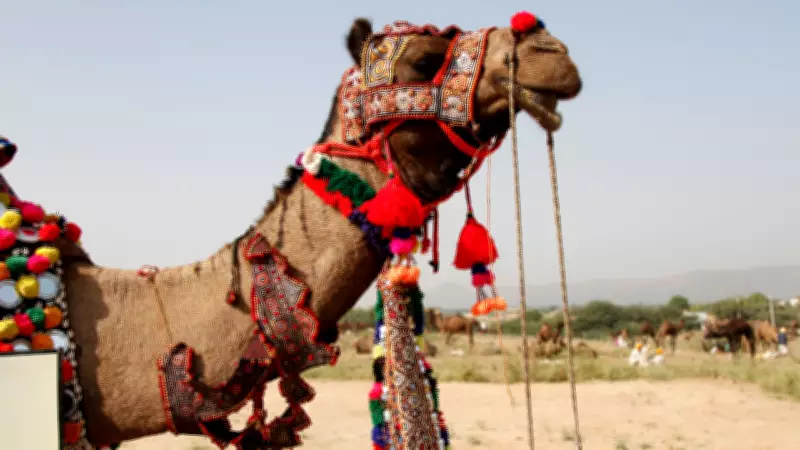
Camel beauty contests are far from novelty events. They represent serious competitions deeply rooted in longstanding desert traditions. Judges meticulously assess camels across four primary criteria:

- A glossy, well-maintained coat
- A long, properly proportioned neck
- A large head with full lips and long eyelashes
- A firm, well-shaped hump
These prized traits reflect natural beauty and superior lineage rather than artificial enhancements. The emphasis remains firmly on authenticity and genetic quality.
Detailed Findings of Veterinary Inspections
During routine checks, veterinary teams identified multiple signs of tampering across the disqualified animals:
- Fillers injected into lips to create fuller appearances
- Botox used to relax facial muscles and soften expressions
- Silicone applications to reshape noses
- Substances injected to artificially inflate humps
- Hormones administered to enhance muscle definition
According to festival regulations, even a single such modification warrants immediate disqualification. The event is jointly overseen by the Camel Club and the Oman Camel Racing Federation, with organizers emphasizing that strict enforcement is essential to protect contest integrity.
"Allowing cosmetic alterations would undermine breeding standards and transform cultural showcases into artificial displays," officials stated, warning that penalties would remain firm against any attempts to manipulate appearances.
A Regional Pattern of Beauty Scandals
Oman's incident follows earlier controversies in neighboring Saudi Arabia, where major camel festivals experienced mass disqualifications in 2018 and again in 2021 after similar cosmetic enhancements were detected. With prize money at some events reaching tens of millions of dollars, competition has intensified dramatically.
Elite camels can gain tremendous value through victories, significantly influencing breeding rights and sales prices. This financial incentive has apparently driven some owners toward prohibited enhancement methods despite clear rules against such practices.
Online Reactions and "Camel Kardashians" Phenomenon
The beauty scandal sparked widespread reactions across social media platforms. Many users humorously dubbed the enhanced animals "camel Kardashians," a nickname that spread rapidly online. Reaction videos and memes proliferated with captions like, "Please put the fillers down" and commentary about how "Every day we keep hearing things we are not supposed to hear."
Several memes specifically focused on camel humps, comparing cosmetic enhancements to celebrities who maintain consistent appearances across generations. Amid the humor, some users questioned whether the pursuit of beauty had gone too far, while others simply flooded comment sections with laughter and phrases like "Happy Plump Day!"
Supporters of strict enforcement argued the disqualifications were necessary to protect both animal welfare and cultural traditions from being compromised by artificial enhancements.

Veterinary Warnings About Health Risks
Veterinary experts have issued serious warnings about the health risks cosmetic procedures pose to camels. Injections can cause significant pain, infection, and tissue damage. Botox applications may interfere with normal chewing and drinking functions. Fillers and silicone can trigger chronic inflammation, while hormone use can disrupt natural development and fertility patterns.
These substantial health risks have intensified calls for tougher monitoring and enforcement measures to prevent such practices from becoming more widespread.
Organizers Send Clear Message
Festival organizers state that the recent disqualifications send an unambiguous message: camel beauty contests will reward only natural form and lineage. Any attempts to alter an animal's appearance through artificial means will face punishment.
For now, Oman's stance remains firm and uncompromising. In the competitive world of camel beauty pageants, nature continues to stand as the only acceptable standard for judging these magnificent desert animals.