West Asia Conflict Poses Severe Threat to Indian Real Estate and Economy, Warns Niranjan Hiranandani
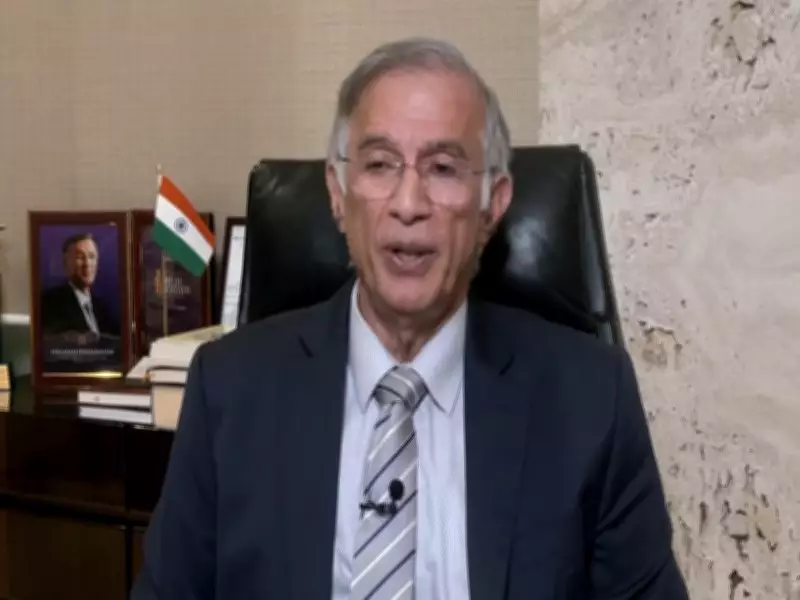
The escalating conflict in West Asia, particularly around the Strait of Hormuz, is generating significant economic turbulence for India, with the real estate sector facing acute pressures due to surging energy prices. Niranjan Hiranandani, Chairman of the National Real Estate Development Council (NAREDCO) and co-founder of the Hiranandani Group, described the situation as "unexpected and unbelievable," highlighting its profound impact on the nation's economy.
Energy Dependency Amplifies Construction Cost Inflation
India's heavy reliance on imported energy, accounting for 75 to 80 percent of its needs, makes it highly vulnerable to disruptions in key maritime routes. Hiranandani emphasized that any blockage in canals immediately affects petroleum-based products, which are critical for manufacturing building materials. "The entire production of tiles across the country is definitely affected," he noted, with manufacturers already reporting cost increases as petroleum prices climb.
Short-Term Absorption vs. Long-Term Recession Risks
Currently, the industry is absorbing rising costs of essential materials like cement and steel, but Hiranandani cautioned that this is only sustainable for a limited period. "This little cost increase can be absorbed if it is for a reasonable period of time," he stated. However, he warned that a prolonged conflict could have devastating consequences: "I think this may cause a recession in the economy as a whole if this problem continues for a long period of time." He urged a shift towards sustainability and energy alternatives to mitigate future risks.

Affordable Housing Hit Hardest, Luxury Segment Shows Resilience
The impact of energy-driven inflation is expected to be most severe in the affordable housing segment, where cost-conscious buyers are particularly sensitive to price hikes. Hiranandani observed that "affordable housing is going to be more particularly affected because those are all cost-conscious issues." In contrast, the luxury housing market remains resilient, with 24 percent of sales coming from the NRI segment, though overall property prices are projected to rise by 10-12 percent in the next three to five months.
Government Intervention and Strategic Adaptations Needed
Hiranandani called for government support, suggesting tax concessions on approvals and stamp duties to provide relief, similar to measures taken during the pandemic. He also stressed the importance of enhancing national self-reliance in a multipolar world, advocating for accelerated efforts under the "Atma Nirbhar Bharat" initiative. Additionally, he mentioned that the industry may need to adapt to alternative shipping routes, such as around the Cape of Good Hope in Africa, due to eroded trust in international trade.
In summary, the West Asia conflict is not just a regional issue but a global economic disruptor, with India's real estate sector at the forefront of its fallout. Hiranandani's warnings underscore the urgent need for strategic planning and policy interventions to safeguard economic stability.