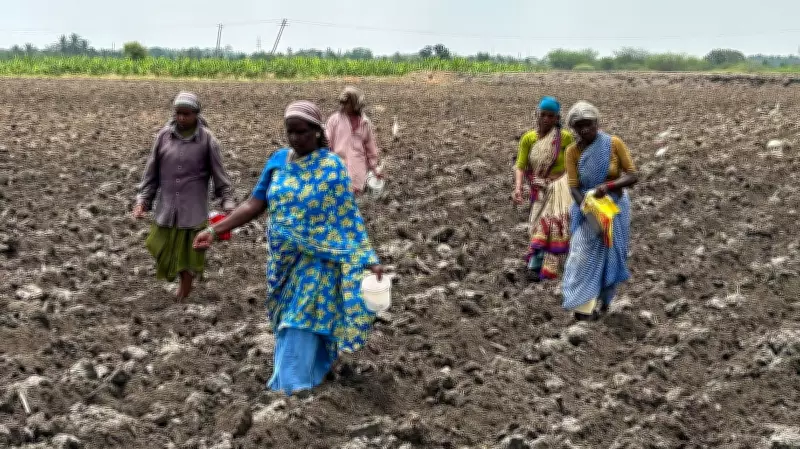
Centre Issues Directive to States on Fertiliser Hoarding and Kharif Inputs
The central government has taken a firm stance on ensuring smooth agricultural operations for the upcoming Kharif season by directing state administrations to actively monitor and prevent the hoarding of fertilisers. This move aims to safeguard farmers' interests and maintain a steady supply chain of essential agricultural inputs.
Government's Assurance on Agricultural Supplies
In a significant announcement, Additional Secretary Maninder Kaur Dwivedi addressed reporters, emphasizing the government's commitment to providing adequate seeds and other critical agricultural inputs for the Kharif cropping period. The directive underscores the importance of last-mile availability, ensuring that farmers across the country have timely access to the resources they need without facing shortages or price manipulation.
The central authorities have assured that all necessary measures are being implemented to support the agricultural sector during this crucial planting phase. This includes coordinated efforts between state and central agencies to streamline distribution networks and curb any malpractices that could disrupt the supply of fertilisers and seeds.

Focus on Preventing Hoarding Practices
States have been specifically instructed to enhance vigilance and take strict action against any instances of fertiliser hoarding. Hoarding not only leads to artificial scarcity but also drives up prices, adversely affecting small and marginal farmers who rely on these inputs for their livelihoods.
- Regular inspections and monitoring of fertiliser stocks at distribution points.
- Implementation of anti-hoarding laws to deter unethical practices.
- Collaboration with local authorities to ensure transparent supply mechanisms.
By addressing these issues proactively, the government aims to create a more resilient agricultural ecosystem that can withstand potential disruptions and support food security goals.
Implications for the Kharif Season
The Kharif season, which typically involves the cultivation of crops like rice, maize, and cotton, is critical for India's agricultural output and economy. Ensuring the availability of high-quality seeds and fertilisers during this period is paramount to achieving optimal yields and sustaining farmer incomes.
- Enhanced supply chain management to prevent bottlenecks in input distribution.
- Farmer awareness programs to educate on best practices and available resources.
- Real-time tracking systems to monitor stock levels and address shortages promptly.
This directive reflects the government's broader strategy to bolster agricultural productivity and support the farming community through targeted interventions and policy support.