You may have noticed that the price of flats in high-rise buildings increases with the elevation of the floors. Builders typically set a base rate for lower floors and then add a fixed amount per square foot for each subsequent floor. As a result, two identical three-bedroom apartments in the same building can differ by several lakhs simply because one is on a higher floor. What drives this price difference? Let us explore the key factors.
Construction Cost
Taller buildings require stronger structural designs and more elaborate fire safety mechanisms. These additional construction expenses are often passed on to buyers through higher prices for elevated flats. A study by the School of Planning and Architecture on 100 high-rise group housing projects in the Noida-Greater Noida region, with building heights ranging from 18 to 132 meters, found that construction cost per unit of gross floor area increases with building height at certain intervals. The study noted cost spikes when buildings cross critical height thresholds that trigger stricter design and service requirements.
Demand and Marketing
Higher floors are marketed as aspirational and are often preferred by buyers. Flats at higher elevations offer better views, more natural light and ventilation, and some relief from street-level noise and dust. Higher elevation also provides greater privacy for residents. Many homebuyers perceive this as a status symbol and a better lifestyle. Developers capitalize on this demand through floor rise charges and often through Preferential Location Charges (PLC) for units that are park-facing, corner, or offer open views.

Government Charges
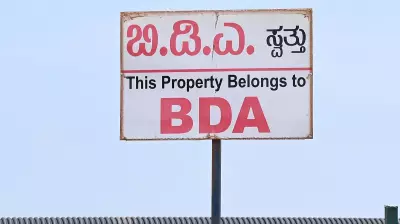
In some states, such as Karnataka, the government demands a premium from builders who plan to construct beyond a certain Floor Area Ratio (FAR). Builders indirectly shift this expense to homebuyers, who end up paying significantly more than the base price.
Ready to make a smarter property decision? Build your legacy with TOI Homes.
About the Author
The TOI Real Estate Desk is a focused team of seasoned journalists and market watchers dedicated to decoding the ever-evolving property landscape for The Times of India readers. With a sharp eye on trends, policy shifts, and market movements, the team brings clarity to one of the most significant investment decisions in people’s lives. From expert insights on buying, selling, and investing to deep dives into infrastructure developments, home design, and sustainable living, the news here offers a comprehensive view of the real estate ecosystem. Whether you are a first-time homebuyer, a seasoned investor, or simply exploring the market, the TOI Real Estate Desk is your trusted guide to making informed property decisions.