

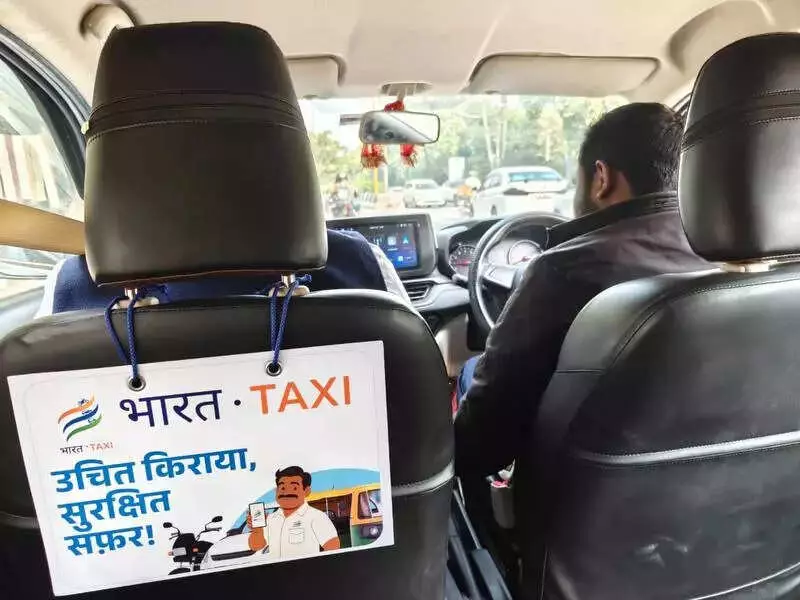
In a landmark development for India's mobility sector, a new driver-owned ride-hailing cooperative named Bharat Taxi has achieved a staggering scale even before its full national launch. Promoted by eight major national cooperatives, the initiative has swiftly become the world's largest driver-owned mobility collective.
Record-Breaking Onboarding and Global Scale
The platform, operated by the Sahakar Taxi Cooperative Limited, achieved a remarkable feat by onboarding over 51,000 drivers in a mere ten days. This rapid expansion occurred across key regions including Delhi and Gujarat's Saurashtra area. This scale makes Bharat Taxi significantly larger than its closest global peer, The Driver's Cooperative in New York, which was launched in 2020 and has approximately 4,000 members.
Beta Trials Launch in the Capital
The project reached a crucial milestone with the commencement of its beta consumer trials in New Delhi. On Tuesday, driver-members began activating their services on the newly launched Bharat Taxi app. The application is now available for public download and trials on the Google Play Store, with an iOS version expected to follow shortly.

Jayen Mehta, the Chairman of Sahakar Taxi Cooperative Ltd, expressed enthusiasm about the initial response. "We began the beta consumer trials in Delhi today and the response is overwhelming," Mehta stated, highlighting the positive reception from early users.
A New Model for the Gig Economy
Bharat Taxi is billed as the world's first national ride-hailing mobility cooperative that is fully owned by its drivers. This model aims to shift the ownership structure of the platform economy, putting the control and a larger share of earnings directly into the hands of the drivers themselves. The backing by eight prominent national cooperatives provides a strong foundational support system for this ambitious venture.
The swift adoption by tens of thousands of drivers underscores a significant demand for alternative, equitable business models in India's vast transportation network. As beta testing progresses in the national capital, all eyes will be on how this driver-owned collective reshapes the competitive landscape of urban mobility.






