

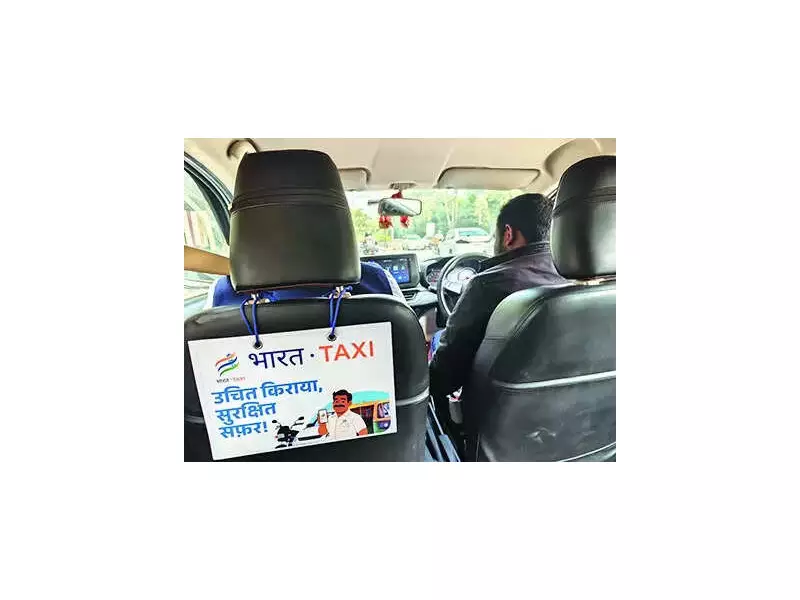
In a remarkable pre-launch surge, Bharat Taxi, India's pioneering cooperative ride-hailing platform, has already positioned itself as the world's largest driver-owned mobility collective. Even before its official nationwide debut, the app has successfully enrolled a staggering more than 51,000 drivers across key regions, signaling a major shift in the country's taxi-hailing landscape.
A Cooperative Model That Puts Drivers First
Promoted by the Sahakar Taxi Cooperative Limited, the Bharat Taxi brand is built on a revolutionary principle: it is fully owned and governed by the drivers themselves. This model directly challenges the established commission-based structures of existing ride-hailing giants. The most compelling feature for drivers is the zero-commission structure, which ensures that 100% of the fare paid by the customer goes directly to the driver.
The scale of its initial adoption is unprecedented. Within a mere 10 days of its enrollment drive in New Delhi and Gujarat's Saurashtra region, the collective surpassed the membership of New York's The Driver's Cooperative, which was launched in 2020 and has roughly 4,000 members. This makes Bharat Taxi the largest entity of its kind globally, even in its beta phase.

Beta Trials Kick Off in Delhi
The project reached a significant operational milestone recently when beta consumer trials began in Delhi. This phase allows everyday users to download the Bharat Taxi app—currently available on Google Play—and book rides, while drivers activate real-time services. These controlled trials are crucial for developers to monitor performance, identify glitches, and refine features based on real-world feedback before a full-scale public launch. An iOS version of the app is expected to be released soon.
Jayen Mehta, Chairman of Sahakar Taxi Cooperative Ltd., expressed his enthusiasm about the overwhelming response from the driver community. The model's core appeal lies in its empowerment of drivers, transforming them from gig workers into stakeholders.
Implications for the Indian Ride-Hailing Market
The rapid ascent of Bharat Taxi underscores a growing demand for equitable business models in India's platform economy. By eliminating the middleman and its associated commissions, the cooperative aims to increase drivers' earnings significantly. This move could pressure existing players to reconsider their fee structures and driver relations.
As the beta testing in Delhi progresses, all eyes will be on the platform's scalability, user experience, and operational efficiency. If successful, Bharat Taxi's driver-owned cooperative framework could redefine the rules of the ride-hailing industry, not just in India but potentially as a blueprint for similar initiatives worldwide.






