

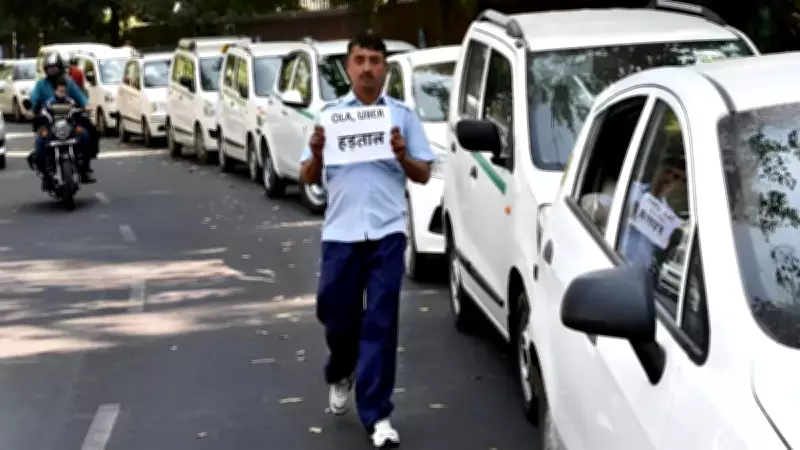
Ola and Uber Drivers Launch Nationwide Strike, Disrupting Cab Services
In a significant development impacting urban mobility, drivers associated with ride-hailing giants Ola and Uber have initiated a nationwide strike today, leading to widespread disruptions in cab services across India. The strike, which commenced on February 7, 2026, is a coordinated protest by drivers demanding resolution to long-standing grievances related to fare structures, incentives, and operational policies.
Key Issues Driving the Protest
The drivers' agitation centers on several unresolved issues that have been simmering for months. Primary concerns include inadequate fare rates, which drivers argue do not cover rising fuel and maintenance costs, making it difficult to sustain livelihoods. Additionally, there are complaints about unfair incentive schemes and opaque commission structures imposed by the companies, which drivers claim reduce their earnings significantly.
Other grievances highlighted by the protesting drivers involve lack of proper grievance redressal mechanisms and insufficient support from Ola and Uber in addressing safety concerns and insurance coverage. The strike has been organized by various driver unions and associations, who have called for immediate dialogue with company management to address these pressing matters.

Impact on Commuters and Services
The nationwide stir has severely affected cab availability in major cities, including Delhi, Mumbai, Bengaluru, and Hyderabad. Commuters are facing longer wait times and surge pricing, with many reporting canceled rides and limited options for transportation. This disruption comes at a time when reliance on app-based cab services has increased, particularly for daily commutes and airport transfers.
Local authorities and traffic police have been monitoring the situation, advising commuters to explore alternative transport modes such as public buses, metro services, or auto-rickshaws. The strike has also prompted concerns about potential economic losses for drivers who are forgoing daily earnings to participate in the protest, underscoring the depth of their dissatisfaction.
Response from Ola and Uber
As of now, both Ola and Uber have issued statements acknowledging the strike and expressing commitment to engage with driver partners. Representatives from the companies have emphasized their ongoing efforts to improve driver welfare through revised policies and enhanced support systems. However, drivers remain skeptical, citing past unfulfilled promises and calling for concrete actions rather than assurances.
The companies have urged drivers to resume services while discussions are underway, but the protestors have vowed to continue the strike until their demands are met. This standoff highlights the growing tensions in the gig economy, where platform workers seek better working conditions and fair compensation amidst rapid technological changes.
Broader Implications and Future Outlook
This strike underscores broader issues within the ride-hailing industry in India, including regulatory challenges and the need for balanced policies that protect both driver interests and consumer convenience. Experts suggest that sustainable solutions require collaborative efforts involving companies, drivers, and government bodies to establish transparent fare models and robust welfare measures.
As the situation unfolds, stakeholders are closely watching for developments that could shape the future of app-based transportation in the country. The outcome of this protest may set precedents for how similar disputes are handled in other sectors of the digital economy, making it a critical moment for India's evolving labor landscape.






