

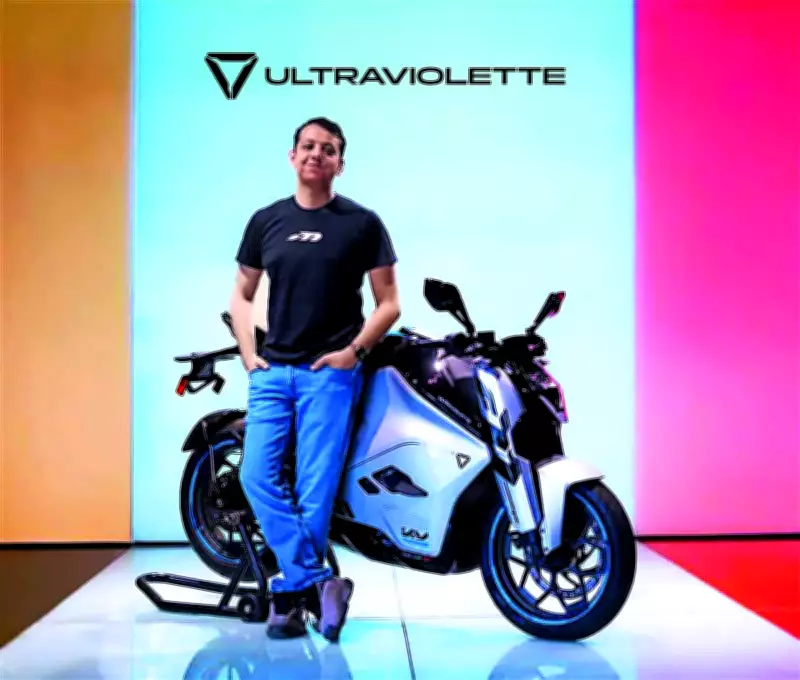
Chennai: Electric two-wheeler startup Ultraviolette is planning an aggressive ramp-up of its manufacturing capacity to 1,50,000 units within six to eight months, up from around 30,000 units, to cater to growing demand from domestic and global markets. The company is doubling capacity at its first pilot plant to 60,000 units and building a new facility in Karnataka with an initial capacity of 2,50,000 units per annum by the end of FY28, according to Niraj Rajmohan, founder and CTO of the startup.
Investment and Expansion Plans
The company is expected to invest around Rs 200 crore over the next two years across the two expansions. Focusing on premium performance electric motorcycles with a peak power of up to 30kW, Ultraviolette has cumulatively sold less than 5,000 units since 2023. Rajmohan noted that a spike in fuel prices has renewed interest in their bikes.
“Broader consumer preferences and trends, along with traction for the first scooter with over 80,000 bookings and interest from global markets, especially exports to Western European countries, are driving the demand,” he said.

Financial Performance and Exports
The company recorded Rs 130 crore revenue in FY26, up from Rs 36.1 crore in FY25, according to Tracxn, and expects over five-fold growth this year. Exports, which made up about 10% of sales last year, are expected to grow around five-fold, with the company now certified for nearly 40 countries and live in about 19 European markets. Rajmohan said export margins run at roughly twice India levels, with EU pricing around €9,000, at parity with comparable petrol bikes.
IPO and Future Capacity
The startup is also eyeing a public listing in about 18 to 24 months, though Rajmohan said the timeline is indicative. Beyond expansion in its pilot facility and greenfield facility in Karnataka, it is in discussions in multiple states, including Tamil Nadu, for further ramping up capacity to 5 lakh units per annum based on future demand.
PLI Scheme and Market Strategy
Amid the debate over inclusion of EV startups in the auto PLI scheme, Rajmohan said there is a lack of a level playing field between startups and incumbents, leading to a 16%-18% cost disadvantage. Asked about the company’s delayed entry into the e-scooter market, he cited the same cost disadvantage as a reason for staying out of the price-sensitive segment. The Bengaluru-based EV startup is backed by marquee names including TVS Motors.






