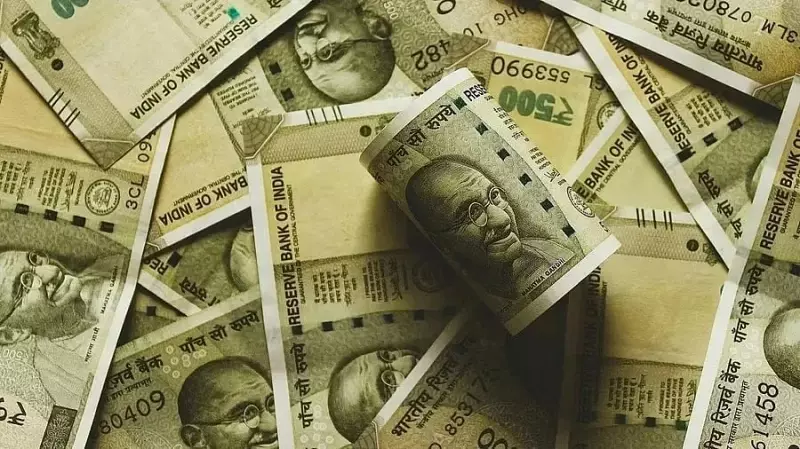
The Indian rupee touched a new all-time low against the US dollar in intra-day trading on Wednesday, December 3, 2025, intensifying concerns about the currency's stability. The domestic unit weakened to a historic level of 90.25 against the US dollar during the session, according to forex traders.
Key Factors Behind the Rupee's Decline
Market analysts and currency traders pointed to a combination of domestic and international pressures driving the rupee's fall. A significant sell-off in the Indian equity markets created a bearish sentiment, reducing foreign investor appetite for rupee-denominated assets. Simultaneously, the absence of a finalized India-US trade deal added to the uncertainty, putting further downward pressure on the local currency. The lack of this anticipated agreement has led to cautious sentiment among global investors regarding India's near-term trade prospects.
Market Context and Trader Sentiment
The intra-day slump to 90.25 marks a new milestone in the rupee's performance against the greenback. Forex traders highlighted that the pressure was sustained and broad-based. The decline in the domestic equity markets contributed to capital outflows, which directly hurt demand for the rupee. This event underscores the vulnerability of emerging market currencies to shifts in global risk sentiment and domestic economic indicators.

Implications and Looking Ahead
The record low has immediate implications for importers, who will face higher costs, and could contribute to inflationary pressures within the economy. For the Reserve Bank of India, the move presents a challenge in balancing currency management with broader monetary policy goals. The market will now closely watch for any intervention by the central bank to stabilize the currency and for developments on the international trade front, particularly regarding the US trade negotiations. The rupee's performance on December 3, 2025, serves as a critical reminder of the interconnectedness of global financial markets and domestic economic health.