

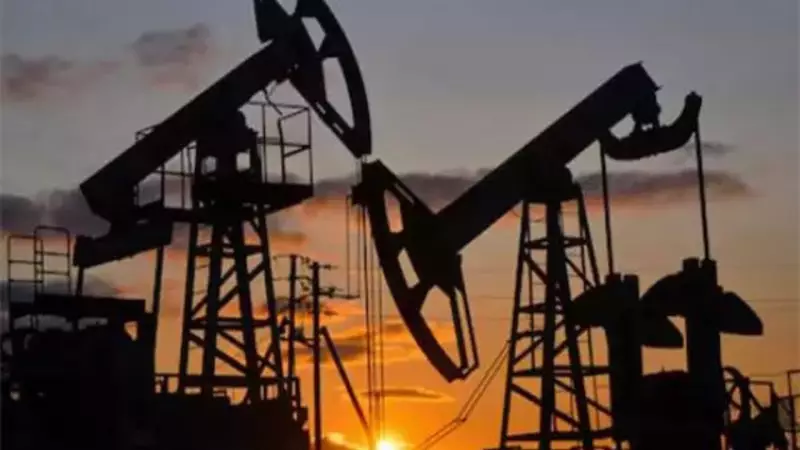
Global oil markets witnessed a sharp reaction over the weekend following a dramatic and unexpected military intervention by the United States in Venezuela. The operation led to the capture of the country's leftist President, Nicolas Maduro, and his wife on narcotrafficking charges, sending shockwaves through financial markets worldwide.
Operation in Caracas Triggers Market Volatility
In a meticulously planned strike, US forces deployed a combination of special operations commandos, air power, and naval assets to seize President Maduro from the capital city of Caracas. Following the capture, US President Donald Trump declared that Washington would take charge of running the South American nation. He explicitly stated the intention to allow American oil companies to return and exploit Venezuela's vast energy resources, which have remained largely untapped due to years of political and economic turmoil.
The immediate market response was a fall in crude oil prices. Investors quickly bet that this seismic political shift could eventually remove barriers to increased oil production from Venezuela, a country sitting on the world's largest proven crude reserves of approximately 303 billion barrels, as per OPEC data. For years, output has been severely depressed due to chronic underinvestment, mismanagement, and decaying infrastructure.

Defence Stocks, Gold Gain Amid Geopolitical Fears
While oil prices softened on the prospect of future supply increases, the heightened geopolitical tensions boosted demand for traditional safe-haven assets. Prices for gold and silver advanced as investors sought security amid the uncertainty. Concurrently, shares in the defence sector saw notable gains, reflecting expectations of continued military engagement or spending.
Other asset classes also felt the ripple effects. Technology shares continued their upward trajectory, partly driven by separate optimism surrounding potential interest rate cuts by the US Federal Reserve later this year. In currency markets, the US dollar exhibited a mixed trading pattern.
Analysts Downplay Immediate Supply Shock
Despite the dramatic headlines, several market participants cautioned against expecting an immediate flood of Venezuelan oil. The logistical and political challenges to revitalising the country's crippled energy industry are immense. Helge Andre Martinsen, a senior oil analyst at DNB Carnegie, provided a measured outlook, stating, "The market will likely absorb this short-term supply uncertainty, with a limited impact on oil prices."
This perspective suggests that while the long-term implications for global oil supply are significant, the immediate physical flow of crude may not see a sudden surge. The event underscores the fragile interplay between geopolitics and global energy markets, where political actions in one nation can trigger swift and widespread financial consequences across continents.






