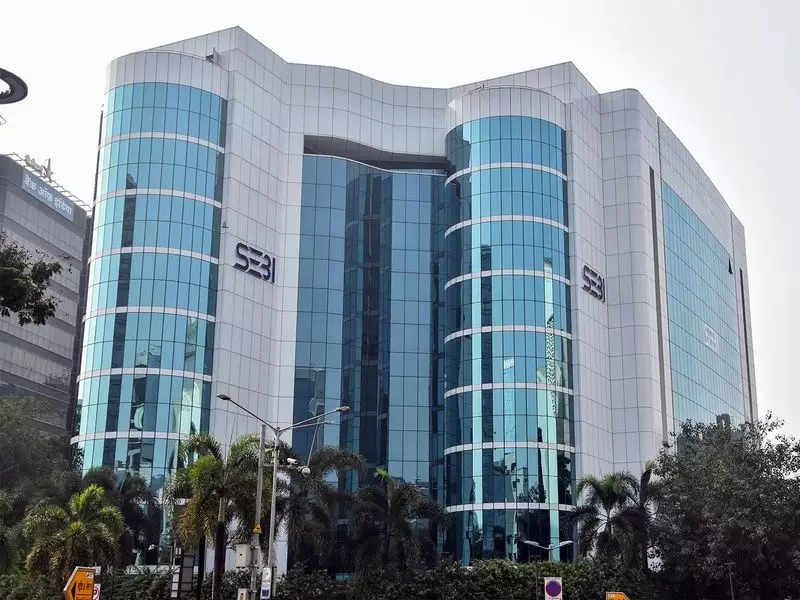
India's capital markets regulator, the Securities and Exchange Board of India (SEBI), has ushered in a new era of transparency and cost-efficiency for mutual fund investors. A recent report by Emkay Global Financial Services highlights that the regulator's latest reforms on the Total Expense Ratio (TER) are poised to significantly benefit investors, even as they place near-term financial pressure on Asset Management Companies (AMCs).
Decoding SEBI's TER Overhaul: Key Changes
The core of SEBI's intervention lies in restructuring how mutual fund schemes charge investors. The reforms, which became effective in stages starting April 1, 2024, introduce a "slab-based" structure for calculating the TER. This structure replaces the older model where expenses were calculated as a percentage of a scheme's total assets.
Under the new regime, the expense ratio will be calculated on a per-slide basis. This means the charges will apply differently to various portions of the scheme's assets. For instance, the first slab of assets will have a higher permissible charge, which then reduces progressively for subsequent slabs. This design inherently benefits larger funds and, by extension, their investors, as the average expense ratio tends to decrease with growing Assets Under Management (AUM).

Furthermore, SEBI has introduced a crucial performance-linked TER component. AMCs can now charge a slightly higher fee if their equity schemes consistently outperform their designated benchmarks. This move aligns the interests of fund managers directly with those of the investors, rewarding genuine outperformance.
Immediate Pressure on AMCs, Long-Term Gain for Investors
The Emkay report, authored by analysts Vivek Kumar and Karan Taurani, acknowledges that the new TER structure will create near-term margin pressures for AMCs. The overall reduction in permissible expenses, coupled with the slab-based system, is expected to squeeze the revenue that fund houses earn from managing assets. This could impact their profitability in the short run.
However, the analysts emphasize that this pain is a necessary step towards a healthier ecosystem. The primary beneficiary of these reforms is unequivocally the retail investor. By capping and rationalizing expenses, SEBI ensures that a larger portion of an investor's money works for them, rather than being eroded by management fees. This enhances the net returns received by investors over the long term.
The report also points out that the reforms will drive greater operational efficiency among AMCs. To maintain profitability, fund houses will need to optimize their costs, leverage technology, and focus on scaling their assets under management to benefit from the lower charges in the higher slabs.
A Future of Enhanced Transparency and Trust
The overarching goal of SEBI's intervention is to foster greater transparency and trust in the Indian mutual fund industry. The slab-based TER and performance-linked fees make the cost structure clearer and more equitable. Investors can now better understand what they are paying for and see a direct link between higher fees and superior performance.
This move is seen as a continuation of SEBI's investor-centric approach, building upon previous reforms. By putting more money back into the pockets of investors and encouraging AMCs to perform better, the regulator is strengthening the foundation for sustainable growth in India's rapidly expanding mutual fund market.
In conclusion, while Asset Management Companies navigate the initial financial adjustments, the SEBI mutual fund expense reforms mark a significant victory for investor rights and transparency. The changes promise a more cost-effective and performance-driven investment landscape for millions of Indians participating in the capital markets through mutual funds.