

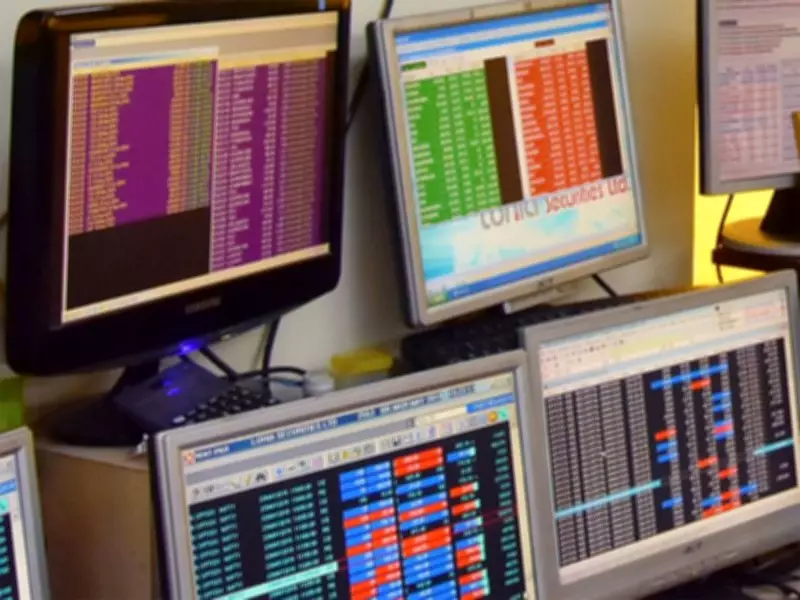
Indian Stock Markets Experience Severe Sell-Off
The Indian stock markets faced a significant downturn today, with major indices recording substantial losses. The benchmark Sensex plummeted by a staggering 1,122 points, while the Nifty 50 index closed 385 points lower, reflecting widespread investor pessimism and a continuation of recent bearish trends.
Key Market Movements and Indices Performance
In a day marked by heavy selling pressure across sectors, the BSE Sensex ended the trading session deeply in the red, shedding over 1,100 points. Similarly, the NSE Nifty 50 index dropped by 385 points, indicating a broad-based market correction. This decline follows a pattern of volatility that has characterized the markets in recent weeks, driven by a combination of domestic and international factors.
Global economic uncertainties and rising inflation concerns have contributed to the negative sentiment, prompting investors to offload equities in favor of safer assets. The sell-off was not limited to large-cap stocks; mid-cap and small-cap indices also witnessed significant declines, underscoring the depth of the market rout.

Factors Behind the Market Decline
Several key factors have been identified as catalysts for today's market plunge. Persistent fears of a global economic slowdown, coupled with geopolitical tensions and tightening monetary policies by central banks worldwide, have eroded investor confidence. Domestically, concerns over corporate earnings, regulatory changes, and fiscal policies have added to the bearish outlook.
- Global recession risks impacting investor sentiment
- Inflationary pressures leading to higher interest rates
- Weak corporate results from key sectors
- Foreign institutional investors (FIIs) pulling out funds
The banking and financial services sectors were among the hardest hit, with major stocks in these categories recording double-digit percentage losses. Technology and consumer goods stocks also faced substantial selling pressure, reflecting the widespread nature of the decline.
Market Outlook and Expert Analysis
Market analysts suggest that the current downturn may persist in the short term, as investors await clearer signals from economic data and policy announcements. Technical indicators point to further downside risks, with key support levels being tested on both the Sensex and Nifty. However, some experts view this correction as a potential buying opportunity for long-term investors, given the underlying strength of the Indian economy.
- Monitor global economic developments closely
- Focus on sectors with strong fundamentals
- Consider diversification to mitigate risks
- Stay informed about domestic policy changes
Investors are advised to exercise caution and conduct thorough research before making any investment decisions in this volatile environment. The market's performance in the coming days will be crucial in determining whether this is a temporary correction or the beginning of a more prolonged bear phase.






