

US Stock Markets Tumble as Oil Prices Surge Amid Iran Conflict Escalation
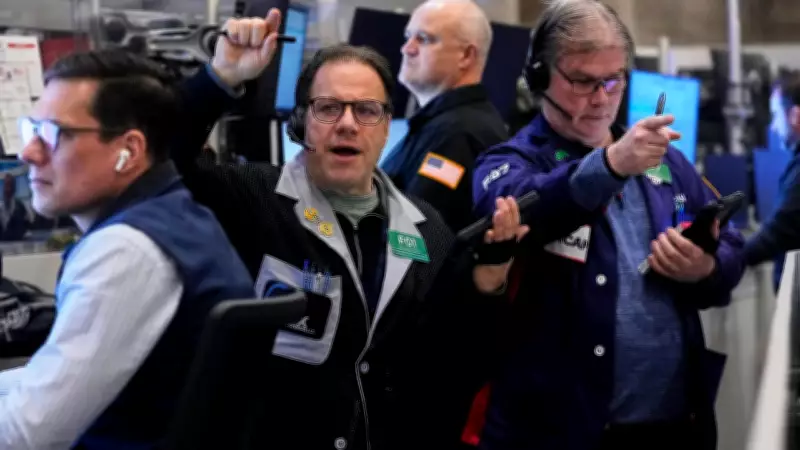
US stock markets experienced a sharp decline on Thursday, while global oil prices surged significantly, following President Donald Trump's national address where he vowed to continue military action against Iran without providing a clear timeline for de-escalation in the Middle East, according to AP reports.
Market Performance and Global Impact
The S&P 500 index fell by 1.1%, with nearly three out of every four stocks in the benchmark index trading lower. The Dow Jones Industrial Average dropped 545 points, or 1.2%, and the Nasdaq Composite declined by 1.6% as of 9:52 a.m. Eastern time. This broad-based weakness in US equities was mirrored across global markets, with major indices in Europe and Asia also trading in the red, reflecting widespread investor concern over the ongoing conflict.
Trump's Address and Market Reaction
The sell-off was triggered by Trump's statement on Wednesday, where he indicated that the United States would continue to hit Iran "extremely hard over the next two to three weeks," dampening hopes for a near-term resolution. Earlier in the week, markets had been gaining on expectations that the war could end soon. Despite Thursday's losses, major indices remain on track to close the week with gains, highlighting the volatile nature of recent trading sessions.

Thursday marked the final trading session of the week for Wall Street, as markets will remain shut on Friday for the Good Friday holiday, potentially amplifying the impact of Thursday's movements.
Oil Price Volatility and Supply Concerns
Crude oil prices continued to be the primary driver of volatility in global markets. Shipping traffic through the Strait of Hormuz—a key route through which about one-fifth of the world's traded oil passes during peacetime—has been severely curtailed, tightening global supply. The price of Brent crude, the international benchmark, jumped 7.8% to $109.10 per barrel. US benchmark crude surged 11.7% to $111.92 per barrel. Oil prices had been easing towards $100 per barrel earlier in the week before rising sharply following Trump's remarks, underscoring the sensitivity of energy markets to geopolitical developments.
Sectoral Movements and Investor Sentiment
Financial markets have witnessed sharp swings since the onset of the conflict, with investor sentiment shifting rapidly in response to developments and policy signals. Just earlier this week, the S&P 500 had briefly approached a 10% decline from its record high—a level commonly referred to by investors as a "correction." The index had rebounded on Tuesday and Wednesday on optimism around a possible end to the conflict, only to fall back on Thursday.
Sectorally, airline and travel-related stocks were among the biggest losers on Thursday, reflecting concerns over higher fuel costs and reduced travel demand. United Airlines fell 6.1%, while Carnival dropped 5%. In contrast, energy stocks moved higher in line with rising crude prices. Exxon Mobil gained 2.3%, and Chevron advanced 3.4%, demonstrating the divergent impacts of the conflict across industries.
Bond Market Stability
In the bond market, Treasury yields remained relatively stable amid the equity turmoil. The yield on the 10-year Treasury note edged up slightly to 4.33% from 4.32% late Wednesday, indicating a modest shift in investor preferences towards safer assets during times of uncertainty.






