

US Stock Markets Rally as Falling Oil Prices Boost Investor Sentiment Amid Iran-Israel Tensions
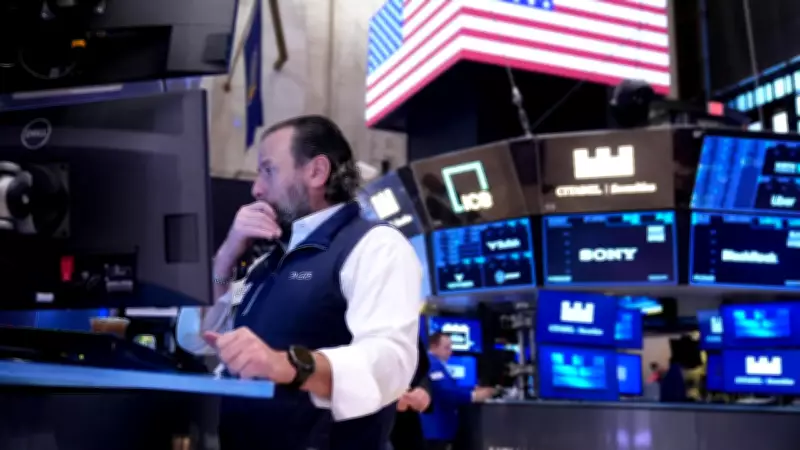
US stock markets advanced on Monday, with benchmark indices moving higher as easing crude oil prices lifted investor sentiment amid continued volatility linked to the ongoing war between Iran and Israel. The rebound in equities came as oil prices retreated, offering temporary relief to markets concerned about the inflationary impact of supply disruptions in West Asia.
Key Market Movements and Index Gains
The S&P 500 rose 1.2% and was on track for its strongest session in about five weeks. The Dow Jones Industrial Average climbed 484 points, or around 1%, while the Nasdaq Composite gained 1.4% in late morning trading, according to AP reports. This rally demonstrated resilience in US equities despite recent turbulence from geopolitical conflicts.
Historically, Wall Street has tended to recover relatively quickly from such events, particularly when energy prices stabilise. Even after recent declines, the S&P 500 is still trading only about 4% below its record high, indicating underlying market strength.

Oil Price Volatility and Geopolitical Impact
A barrel of benchmark US crude declined about 4% to $94.75 after briefly crossing $102 earlier in the day. Brent crude, the global benchmark, fell 1.6% to $101.52 per barrel after touching as high as $106.50. Oil prices have swung sharply since hostilities escalated in West Asia, particularly after Iran effectively halted traffic through the Strait of Hormuz—a key transit route for nearly one-fifth of global oil supplies.
The disruption has forced some producers to curb output as shipments struggle to move through the region. Market participants remain concerned that prolonged closure of the waterway could tighten global supplies and push inflation higher, potentially hurting economic growth. Over the weekend, US President Donald Trump urged countries affected by the disruption to ensure the passage of oil shipments, stating that the United States would assist in keeping the route open.
Analyst Insights and Sector Performance
Paul Christopher, head of global investment strategy at Wells Fargo Investment Institute, noted that the rapid escalation in tensions may also suggest that both sides face constraints that could prevent the conflict from dragging on. Falling oil prices supported stocks of companies sensitive to fuel costs, with Norwegian Cruise Line Holdings gaining 4.8% and United Airlines rising 4.2% as investors bet that lower energy prices could help ease operational pressures.
Among other movers, National Storage Affiliates surged 27.2% after Public Storage announced plans to acquire the company’s 69 million rentable square feet portfolio in an all-stock deal valued at $10.5 billion. Public Storage shares slipped 3.8%. Dollar Tree advanced 6.2% after reporting quarterly profits that exceeded analyst expectations, even as store footfall declined.
Technology and Global Market Trends
Nebius Group, a Dutch artificial-intelligence cloud firm listed in the US, jumped 13.3% following a five-year infrastructure agreement with Meta Platforms that could be worth up to $27 billion. Chipmaker Nvidia, a key beneficiary of the global AI boom, rose 2.5% and provided one of the largest boosts to the S&P 500. Investors awaited remarks from chief executive Jensen Huang later in the day for possible announcements on new products.
Global market cues remained mixed. European indices traded higher, with Germany’s DAX gaining about 1%, while Asian markets showed a varied trend—Hong Kong stocks rose 1.4%, but Shanghai shares edged 0.3% lower.
Bond Market and Federal Reserve Outlook
In the bond market, US Treasury yields declined as softer oil prices eased inflation concerns. The yield on the 10-year Treasury note slipped to 4.22% from 4.28% late on Friday, though it remained above the 3.97% level seen before the conflict began. Investors have also pushed back expectations of potential interest rate cuts by the US Federal Reserve amid elevated energy prices.

According to CME Group data, traders currently see little likelihood of a rate reduction at the central bank’s upcoming policy meeting. Overall, while Monday’s rally offered some respite, analysts cautioned that market direction would continue to depend heavily on developments in oil markets and the geopolitical situation in West Asia.





