

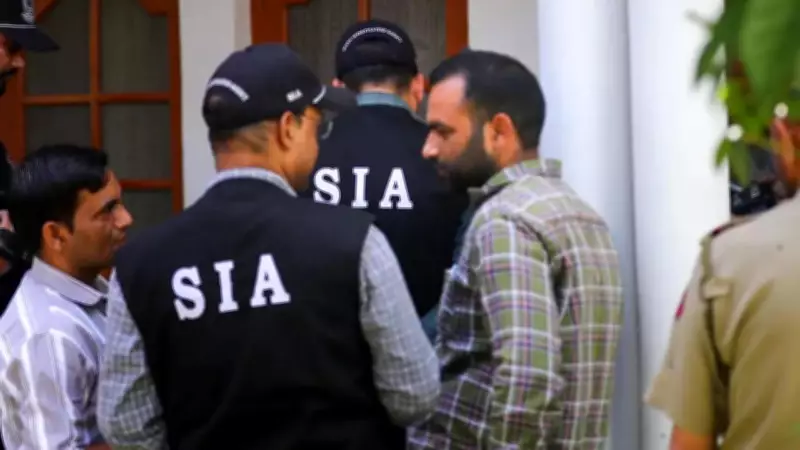
J&K SIA Files Formal Charges Against Poonch Resident for Aiding Terrorists in Fatal Attack
The Jammu and Kashmir State Investigating Agency (SIA) has taken a significant legal step by formally submitting a chargesheet before a designated court on Thursday. The document targets Sabar Hussain, a resident of Poonch district, accusing him of providing critical support to terrorists responsible for a brutal killing in Rajouri district two years ago.
Details of the Terrorist Attack and Investigation Findings
According to an official spokesperson, the incident occurred on April 22, 2024, when unidentified terrorists, believed to be affiliated with the banned organizations Lashkar-e-Taiba (LeT) or The Resistance Front (TRF), forcibly entered the residence of Mohammed Razaq in Kunda, Thanamandi, Rajouri. The assailants opened indiscriminate fire, killing Razaq instantly at the scene.
During the attack, Razaq's brother, Tahir Khurshid, who is also known as Tahir Fauji and serves as a jawan in the Territorial Army, sustained injuries. The subsequent investigation by authorities uncovered that Sabar Hussain, a native of Khabalwali in Poonch district, had actively harbored three LeT/TRF terrorists involved in this terror killing.

Investigators revealed that Hussain provided shelter, food, and logistical assistance to the terrorists at his seasonal hut located in Chamrer during late June and early July of 2024. This support allegedly enabled the perpetrators to carry out their violent activities in the region.
Legal Charges and Historical Context of the Family Tragedy
The official spokesperson stated that "prima facie, offences under the Unlawful Activities (Prevention) Act have been established against the accused," highlighting the serious nature of the allegations. This chargesheet marks a crucial development in the legal proceedings against those accused of facilitating terrorism in Jammu and Kashmir.
Adding to the tragedy, this was not the first time the family has been targeted by terrorists. Razaq's father, Mohammad Akbar, who worked with the social welfare department, was also killed by terrorists two decades earlier, on March 13, 2004, in the same village. Following his father's death, Razaq was provided a government job on compassionate grounds within the same department, making his killing particularly poignant as it represents a second devastating loss for the family due to terrorist violence.
The case underscores ongoing security challenges in the region and the efforts by investigative agencies to hold accomplices accountable for supporting terrorist activities that result in loss of innocent lives.






