

US Markets Find Calm After Volatile Start to Week Amid Geopolitical Tensions
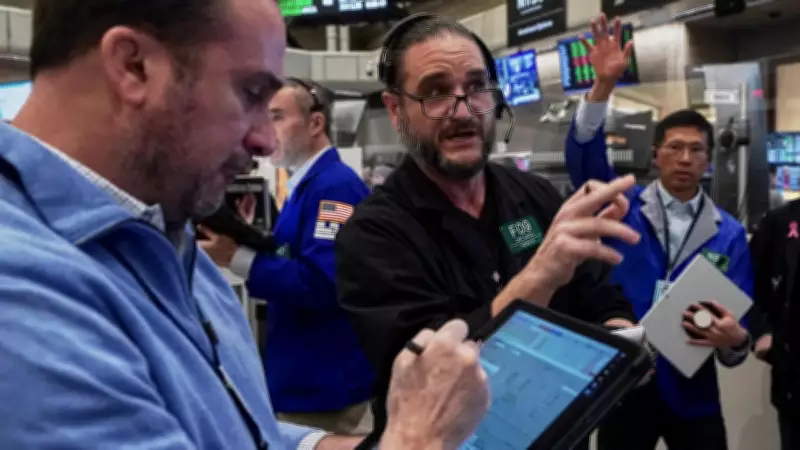
US stock indices exhibited a steadier performance on Wednesday, following two days of intense volatility driven by escalating geopolitical uncertainties in the Middle East. The S&P 500 rose by 0.5 percent in morning trading, while the Dow Jones Industrial Average gained 180 points, or 0.4 percent, as of 10:15 a.m. Eastern time. The Nasdaq Composite advanced 0.9 percent, signaling a tentative recovery from earlier sharp swings.
Oil Prices Moderate After Surge, Easing Market Fears
Oil prices, which had surged earlier in the week due to concerns over disruptions in the Strait of Hormuz, moderated as trading progressed from Asian to European and US markets. Brent crude, the international benchmark, briefly crossed $84 per barrel before easing to $81.45, up 0.1 percent. Meanwhile, US benchmark West Texas Intermediate crude slipped 1 percent to $73.81 a barrel.
The initial spike in oil prices had raised alarms about potential impacts on global inflation, given that roughly a fifth of the world's oil supply passes through the Strait of Hormuz. However, fears were partially alleviated after US President Donald Trump announced that the US Development Corp. would provide insurance coverage for oil tankers and other ships navigating the strait. He also indicated that the US Navy could escort vessels through the waterway "if necessary," in response to Iran's threats to target ships.

Asian Markets Bear Brunt of Geopolitical Uncertainty
Asian markets opened under significant pressure, with South Korea's Kospi index plunging 12.1 percent, marking its worst day on record. This dramatic decline reflected investor reactions to the escalating conflict between Iran and Israel. Other Asian indices also suffered, with Hong Kong's Hang Seng falling 2 percent and Japan's Nikkei 225 dropping 3.6 percent.
In contrast, European markets showed signs of recovery, with France's CAC 40 rising 1.1 percent and Germany's DAX gaining 1.7 percent, indicating a shift in sentiment as trading moved westward.
Analysts Warn Risks Persist Despite Temporary Relief
Financial analysts cautioned that the risks associated with the Middle East conflict have not disappeared. Mizuho Bank noted in a commentary that the promise of insurance and possible naval escorts "only mitigate, but do not eliminate" the risk of further oil price increases. The bank highlighted that higher insurance costs could add $5 to $15 per barrel to shipping expenses, potentially fueling inflationary pressures.
Francis Lun, CEO of Venturesmart Asia, expressed concern over the situation, stating, "I think the Iran situation is getting out of hand, and I think that US President Donald Trump miscalculated enormously. The situation is very grim." Investors remain focused on the duration of the conflict, potential oil price spikes, and their implications for inflation and corporate profits.
Sector Performance and Economic Data Influence Market Sentiment
Within the S&P 500, a slight majority of stocks declined, with energy companies like ConocoPhillips and APA pulling back after earlier rallies. However, gains in major technology stocks, such as Amazon and Nvidia, helped support the broader market.
Encouraging economic data also provided a boost to sentiment. Reports showed stronger-than-expected growth in US services industries, including real estate and finance, and indicated that private-sector employers added more jobs than economists had anticipated. These readings offer clues ahead of Friday's closely watched government employment report.
Federal Reserve's Dilemma Amid Rising Inflation Concerns
The stronger economic data presents a mixed picture for the Federal Reserve, which is tasked with controlling inflation while maintaining a healthy labor market. Rising oil prices complicate this objective by exerting upward pressure on inflation. If inflation remains elevated, the Fed may keep interest rates higher for longer, which could help curb price pressures but also maintain elevated borrowing costs for households and businesses.

Prior to the escalation in the Middle East conflict, expectations had been for the Fed to resume interest-rate cuts later this year. However, traders are now reassessing these expectations as they gauge the war's potential impact on inflation. Historically, US markets have tended to recover quickly from geopolitical shocks in the Middle East, provided oil prices do not spike excessively, prompting some professional investors to advocate for patience during the current volatility.
In the bond market, US Treasury yields edged higher, with the yield on the 10-year Treasury rising to 4.08 percent from 4.06 percent late Tuesday, reflecting ongoing adjustments to the economic outlook.





