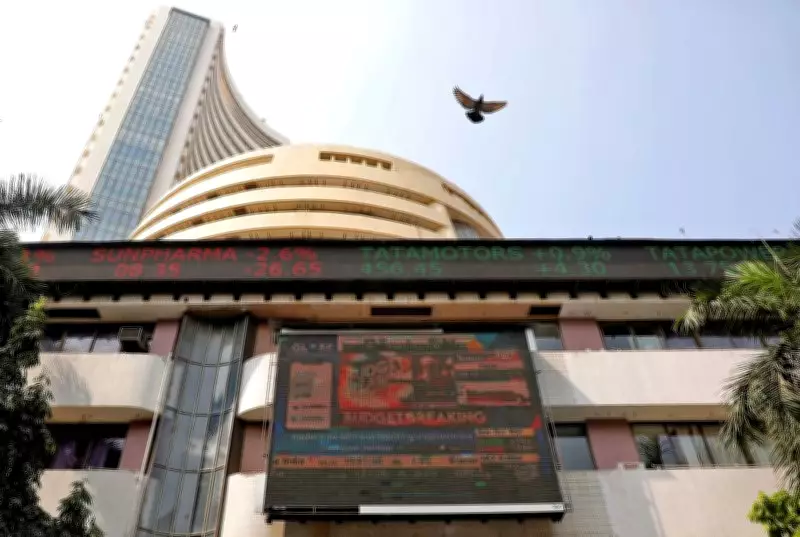
War Jitters Trigger D-Street Bloodbath: Sensex Plunges 1,628 Points
Indian stock markets experienced a dramatic and severe sell-off on Tuesday, as escalating geopolitical tensions in key regions sent shockwaves through investor sentiment. The benchmark BSE Sensex plummeted a staggering 1,628 points, closing at a significantly lower level, while the NSE Nifty 50 also tumbled sharply, dropping nearly 500 points. This marked one of the worst trading sessions of the year, with the sell-off being broad-based across sectors.
Geopolitical Tensions Spook Investors
The primary catalyst for the market carnage was heightened anxiety over potential military conflicts in multiple global hotspots. Reports of escalating hostilities and diplomatic standoffs fueled fears of a broader war, prompting investors to flee risky assets like equities. Market analysts noted that the uncertainty surrounding these geopolitical developments created a perfect storm for panic selling, as traders rushed to liquidate positions to avoid further losses. The volatility index, India VIX, surged dramatically, reflecting the heightened fear and nervousness in the market.
Sector-Wide Carnage and Heavy Losses
The bloodbath was not confined to any single sector; it was a widespread rout. Banking and financial stocks were among the hardest hit, with major lenders and non-banking financial companies (NBFCs) recording steep declines. Information technology (IT) stocks also faced significant pressure, as concerns over global economic stability weighed on export-oriented sectors. Additionally, automobile, metal, and energy stocks witnessed heavy selling, dragging the indices lower. The mid-cap and small-cap segments fared even worse, with many stocks hitting their lower circuits, indicating intense selling pressure.

Investor Sentiment and Market Outlook
The sharp decline has severely dented investor confidence, with many market participants adopting a cautious stance. Experts warn that if geopolitical tensions persist or worsen, further downside cannot be ruled out. However, some analysts suggest that this correction might present buying opportunities for long-term investors once the dust settles. The market's reaction underscores the sensitivity of Indian equities to global events, despite strong domestic fundamentals. Investors are advised to stay vigilant and monitor developments closely, as the situation remains fluid and unpredictable.
Key Factors Contributing to the Fall
- Escalating geopolitical conflicts in multiple regions, raising fears of a wider war.
- Rising crude oil prices due to supply concerns, impacting inflation and economic growth.
- Strengthening of the US dollar, leading to foreign institutional investor (FII) outflows from emerging markets like India.
- Profit-booking after recent market rallies, exacerbated by the negative global cues.
In summary, the D-Street bloodbath serves as a stark reminder of how external shocks can swiftly derail market momentum. While domestic economic indicators remain relatively robust, the global landscape poses significant risks that investors cannot afford to ignore. The coming days will be crucial in determining whether this is a temporary setback or the beginning of a more prolonged corrective phase.