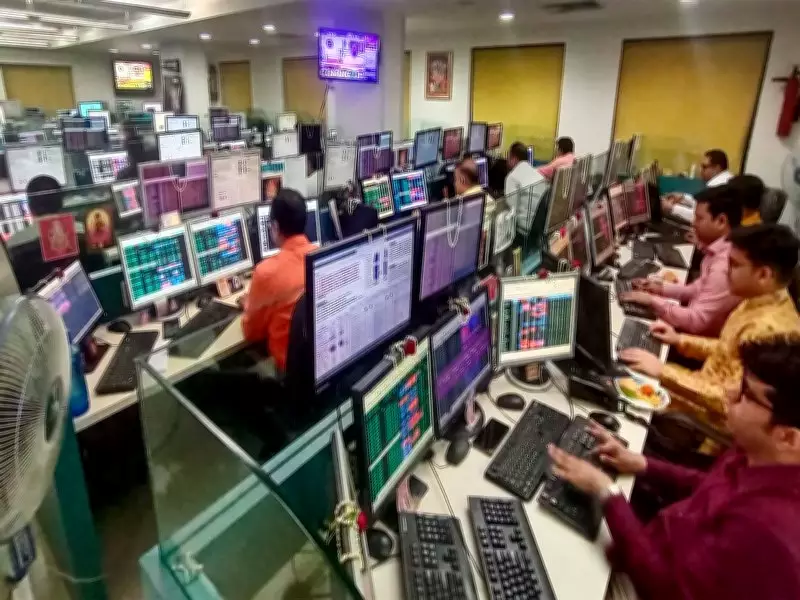
West Asia Conflict Continues to Weigh Down India's Stock Indices, Sensex Dips 829 Points
The ongoing conflict in West Asia has cast a long shadow over India's financial markets, with the benchmark stock indices experiencing sharp declines. The BSE Sensex plummeted by 829 points, reflecting heightened investor anxiety and risk aversion driven by geopolitical tensions in the region.
Market Performance and Key Declines
On the trading day, the Sensex closed significantly lower, while the NSE Nifty 50 also fell, underscoring the broad-based impact of the West Asia situation. Major sectors such as banking, energy, and information technology witnessed substantial sell-offs, contributing to the overall market downturn. Analysts attribute this volatility to concerns over potential disruptions to global trade, oil supply chains, and regional stability, which could adversely affect India's economy and corporate earnings.
Investor Sentiment and Geopolitical Factors
Investor sentiment has been notably dampened by the protracted conflict, with many opting for safer assets amid the uncertainty. The West Asia tensions have led to increased market volatility, as traders react to news developments and assess the implications for India's trade relations and economic growth. This geopolitical risk has compounded existing challenges, such as inflationary pressures and monetary policy adjustments, further weighing on stock performance.

Broader Economic Implications
The decline in India's stock indices highlights the interconnectedness of global markets and the vulnerability of emerging economies to external shocks. Experts warn that prolonged instability in West Asia could lead to higher oil prices, impacting India's import bill and fiscal deficit, thereby exerting additional pressure on the stock market. Market participants are closely monitoring the situation for any signs of escalation or resolution that could influence future trading sessions.
Outlook and Recommendations
In the near term, market analysts predict continued volatility as the West Asia conflict remains unresolved. Investors are advised to adopt a cautious approach, focusing on diversified portfolios and long-term strategies to mitigate risks. While short-term fluctuations are expected, the fundamental strength of India's economy may provide a buffer, but much depends on how the geopolitical landscape evolves in the coming weeks.