

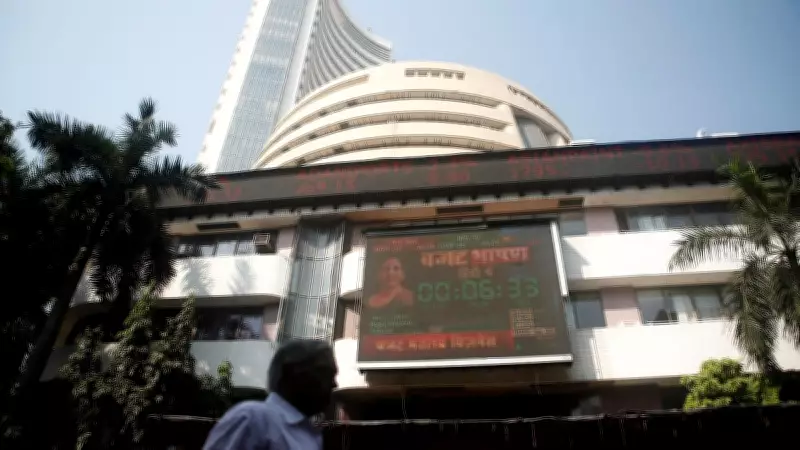
West Asia Crisis Triggers Sharp Fall in Sensex and Nifty, Investors Wary
Extending its previous session's sharp decline, the 30-share BSE Sensex experienced a significant crash, dropping by 1,795.65 points or 2.23 per cent to settle at 78,443.20. This downturn was primarily driven by the ongoing conflict in West Asia, which has severely impacted investor sentiment across the market.
Market Volatility Amid Geopolitical Tensions
The Nifty index also traded sharply lower, mirroring the Sensex's fall, as geopolitical uncertainties in West Asia continue to create a ripple effect in global financial markets. Investors are growing increasingly cautious, leading to heightened volatility and a sell-off in key sectors. The persistent conflict has raised concerns about potential disruptions to trade and economic stability, further exacerbating the market's downward trend.
Impact on Investor Confidence
The sharp decline underscores the sensitivity of stock markets to international crises, with the West Asia situation serving as a stark reminder of how geopolitical events can swiftly alter market dynamics. Analysts note that the continued uncertainty is likely to keep pressure on equities in the near term, as traders assess the broader implications for the economy and corporate earnings.

Published on 04 March 2026, this development highlights the interconnected nature of global markets, where regional conflicts can have far-reaching consequences on financial indices like the Sensex and Nifty.






